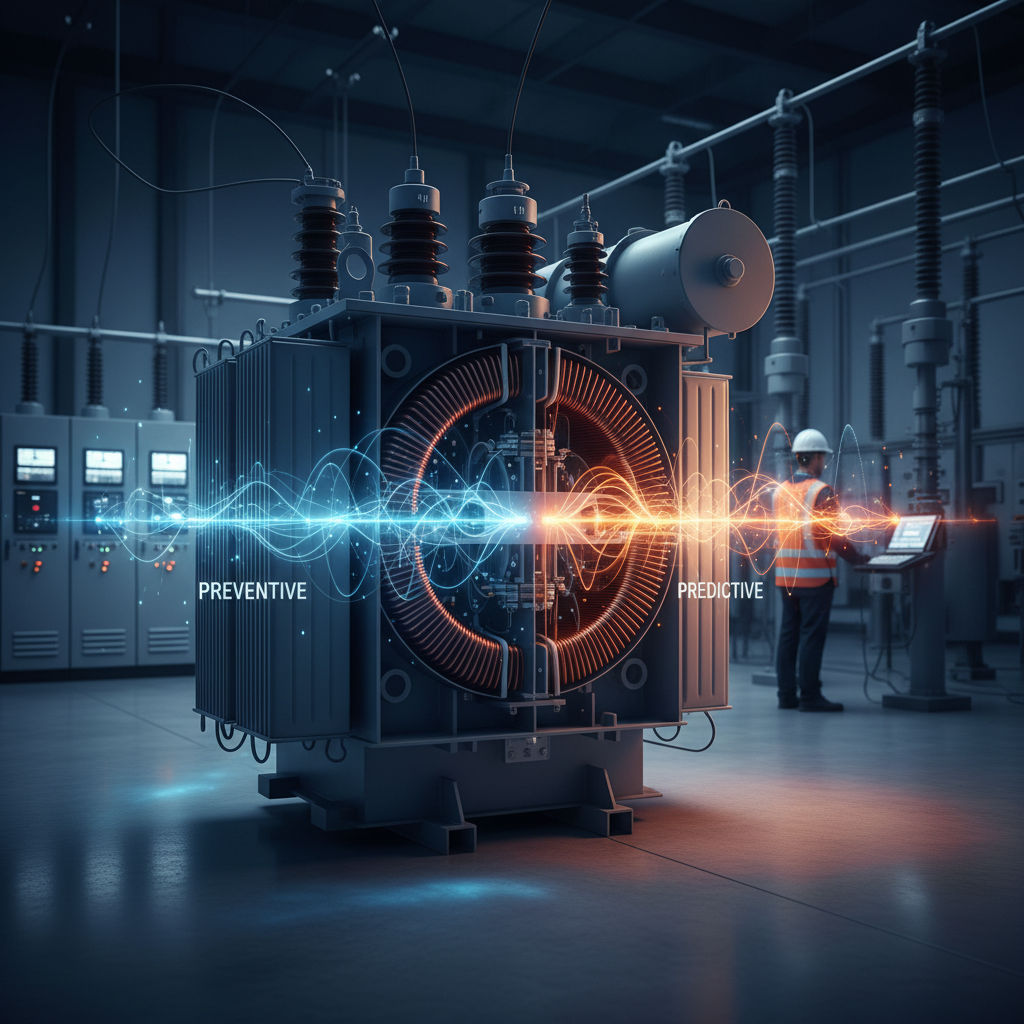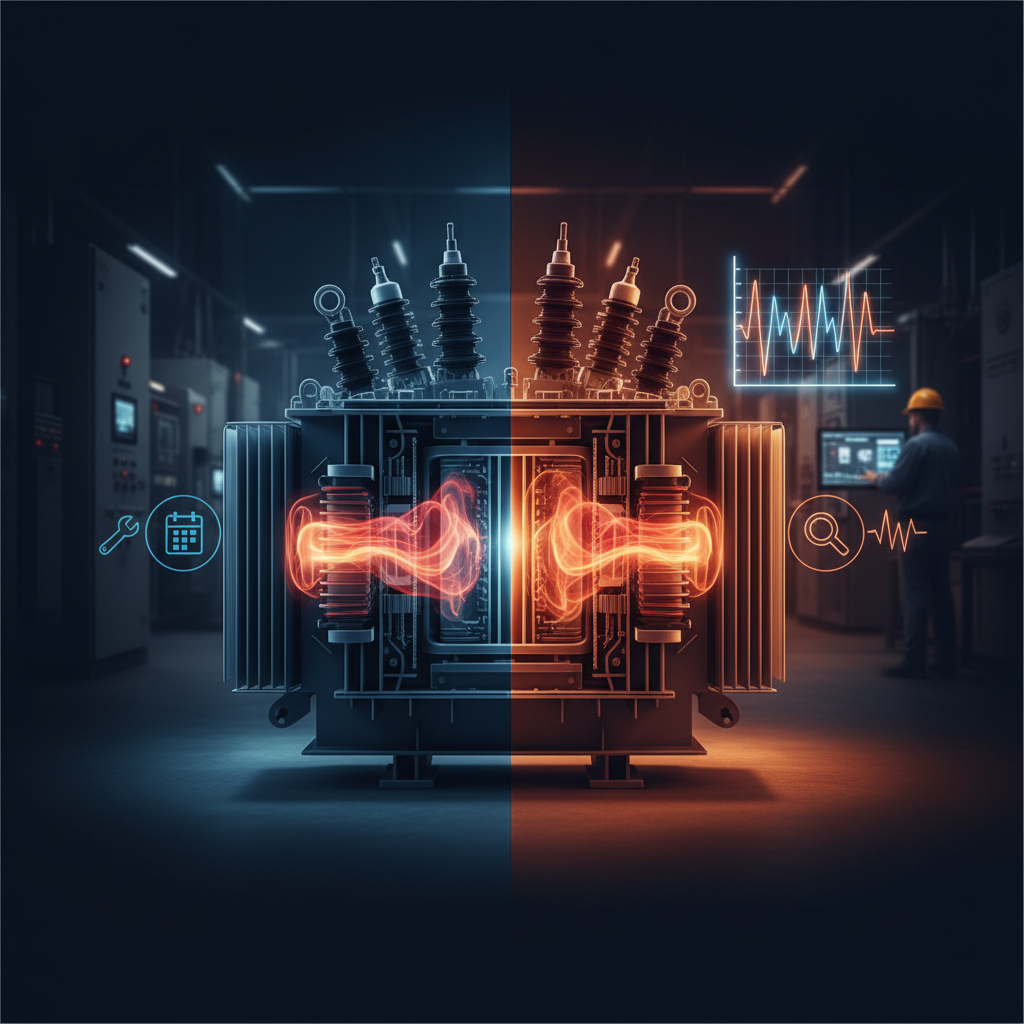
Effective transformer maintenance is crucial for ensuring reliable electrical distribution, preventing costly downtime, and safeguarding personnel. Facility managers and plant engineers often weigh the merits of different maintenance strategies, primarily preventive versus predictive approaches. Understanding the nuances of each, and how they apply to critical assets like transformers, is key to optimizing operational efficiency and extending equipment lifespan.
Preventive Maintenance: The Scheduled Approach
Preventive maintenance (PM) for transformers involves regularly scheduled inspections, tests, and servicing tasks performed regardless of the equipment's actual condition. This proactive strategy aims to prevent breakdowns by addressing potential issues before they escalate. Think of it as routine oil changes and tune-ups for your car – done at set intervals to keep things running smoothly.
Key aspects of transformer PM include:
- Visual Inspections: Regular checks for leaks, corrosion, arcing, and abnormal noise. These are often performed quarterly or semi-annually.
- Dielectric Fluid Testing: Analysis of transformer oil for dielectric strength, acidity, and moisture content. NETA MTS (Maintenance Testing Specifications) and IEEE C57.106 provide guidelines for these tests and their interpretation.
- Gasket and Bushing Checks: Inspection and replacement to prevent moisture ingress.
- Cooling System Maintenance: Cleaning radiators, checking fans and pumps to ensure efficient heat dissipation.
- Connection Tightness: Torquing electrical connections to prevent overheating and arc faults.
While essential, PM can sometimes lead to unnecessary maintenance if components are still healthy, or it might miss rapidly developing faults between scheduled intervals.
Predictive Maintenance: The Condition-Based Strategy
Predictive maintenance (PdM) utilizes advanced monitoring techniques to assess the real-time condition of a transformer, allowing maintenance to be performed only when indicators suggest a potential failure. This "just-in-time" approach minimizes intervention while maximizing asset availability.
For transformers, key PdM technologies include:
- Dissolved Gas Analysis (DGA): A cornerstone of transformer PdM. Insulating oil in transformers can break down under thermal or electrical stress, producing various gases (e.g., hydrogen, methane, ethylene, acetylene, carbon monoxide). Analyzing the types and concentrations of these dissolved gases provides early warnings of incipient faults such as overheating, arcing, or partial discharge. IEEE C57.104 offers detailed guidance on DGA interpretation. Annual DGA is a common practice, though more frequent sampling may be warranted for critical or problematic units.
- Infrared (IR) Thermography: Infrared cameras detect abnormal heat signatures, which can indicate loose connections, failing tap changers, overloaded components, or insulation breakdown. NFPA 70B, "Recommended Practice for Electrical Equipment Maintenance," emphasizes the value of IR inspections for identifying potential failure points before they become critical. These scans are typically performed annually or every two years.
- Partial Discharge (PD) Testing: Partial discharge refers to small electrical discharges that do not bridge the entire insulation between two conductors. PD can occur in voids or defects within the insulation and is a precursor to complete insulation failure. Online and offline PD testing can pinpoint specific locations of insulation degradation, enabling targeted repairs and preventing catastrophic breakdowns. IEEE Std 400 series provides comprehensive guidance on PD testing.
- Acoustic Analysis: Listening for unusual internal noises can detect mechanical issues or arcing.
- Online Monitoring: Continuous monitoring systems can track vital parameters such as temperature, load, and partial discharge activity, providing immediate alerts for deviations from normal operating conditions.
PM vs. PdM: A Practical Comparison
Here