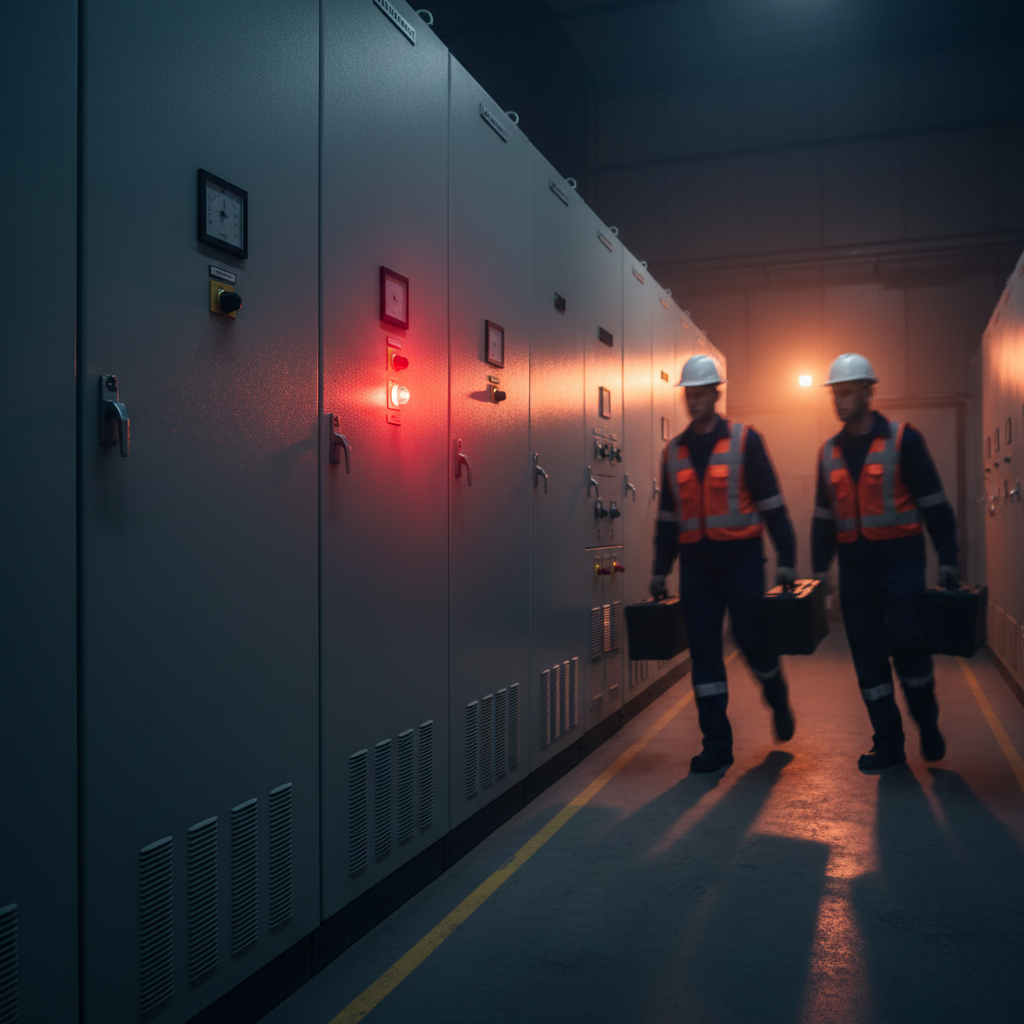
When a power outage strikes, the immediate aftermath can be chaotic. However, with a clear protocol, facility managers and plant engineers can transform potential disaster into a manageable situation, ensuring personnel safety and setting the stage for rapid restoration. The first hour of an electrical outage is crucial for assessment, isolation, and initiating the recovery process.
Prioritizing Safety: The Immediate Response
The paramount concern in any electrical emergency is the safety of personnel. As soon as an outage is detected, certain steps must be taken to mitigate immediate hazards.
- Secure the Area: If the outage is localized to a specific piece of equipment or area, immediately restrict access. Look for visible signs of damage, such as smoke, arcing, or downed conductors. Assume all de-energized conductors are energized until proven otherwise.
- Initial Communication: Establish communication with key personnel. Alert maintenance teams, security, and facility management about the outage. Confirm a centralized meeting point for personnel accountability if a full evacuation is necessary.
- Assess for Visible Hazards: Conduct a preliminary visual inspection, from a safe distance, for obvious hazards like fires, explosions, or structural damage. Do NOT approach damaged electrical equipment.
NFPA 70E, Standard for Electrical Safety in the Workplace, emphasizes the importance of establishing electrically safe work conditions and understanding arc flash and shock hazards. While detailed lockout/tagout procedures come later, the initial immediate response must prioritize keeping personnel away from potential dangers.
Isolating the Source and Preventing Re-energization
Identifying and isolating the cause of the outage is a critical step to prevent further damage and ensure the safety of those involved in troubleshooting and repair.
- Identify the Outage Scope: Determine if the outage is facility-wide, affecting a specific building, a floor, or a single piece of equipment. This helps in narrowing down the potential cause.
- De-energize Equipment: If the outage source is internal and identifiable (e.g., a tripped main breaker, a fault in a specific panel), begin the process of de-energizing affected circuits and equipment. This must be done by qualified personnel following established lockout/tagout (LOTO) procedures as per NFPA 70E Article 120. Proper LOTO prevents accidental or unintended re-energization, protecting personnel working on the system.
- Generator Startup (If Applicable): If your facility relies on a standby generator, initiate its startup sequence only after confirming the isolation of the utility feed. Ensure the automatic transfer switch (ATS) is functioning correctly or manually operate it if necessary, following manufacturer guidelines and site-specific procedures. Regularly tested generators and ATS systems, as outlined by NETA MTS (Maintenance Testing Specifications), are crucial for reliable emergency power.
Documentation and Communication with Stakeholders
Accurate and timely communication is vital when dealing with an electrical emergency. It keeps everyone informed and facilitates a coordinated response.
- Log the Event: Immediately start a detailed log of the outage. Include:
- Date and time of outage
- Observed symptoms (e.g., bang, flash, smoke, just sudden loss of power)
- Areas affected
- Initial actions taken
- Personnel informed
- Weather conditions (if applicable, for external faults)
- Notify Utility Provider: For widespread or utility-related outages, contact your electric utility provider. Provide them with precise information regarding your location and any observed external issues (e.g., downed power lines). Do not attempt to clear downed lines yourself.
- Internal Communications: Keep all relevant internal departments updated on the situation, the expected duration of the outage, and any safety instructions.
Calling for Expert Assistance
Even with robust internal teams, complex electrical emergencies often require specialized expertise. The first hour is the right time to engage external support.
- Contact Emergency Electrical Service: For significant outages, equipment failures, or if the cause is unknown, contact a qualified emergency electrical service provider. Be prepared to provide:
- Your precise location
- Nature of the emergency (e.g., total facility outage, critical equipment failure, visible damage)
- Any specific hazards present
- Your contact information onsite
An experienced contractor will have the NETA-certified technicians and the specialized testing equipment (e.g., as per NETA ATS Acceptance Testing Specifications or MTS) to safely troubleshoot, diagnose, and repair complex electrical issues, including circuit breaker failures, transformer faults, and switchgear problems. They can also perform critical evaluations such as arc flash studies (IEEE 1584, Guide for Performing Arc-Flash Hazard Calculations) to ensure safe work practices during restoration.
What to Await When Professional Help is En Route
While waiting for emergency services, continue to monitor the situation from a safe distance. Ensure all non-essential personnel remain clear of affected areas. Prepare any relevant documentation, such as one-line diagrams, electrical prints, and maintenance records, to assist the incoming technicians. Having this information readily available can significantly speed up the diagnostic process.
Bottom Line
The initial hour following an electrical outage is a critical window for action. By prioritizing safety, isolating compromised systems, meticulously documenting events, and promptly engaging qualified emergency electrical services, facility managers can effectively mitigate risks and set the stage for efficient restoration. AK&J Electric provides 24/7/365 emergency response, dispatching NETA-certified technicians to diagnose and repair any electrical system failure, minimize downtime, and restore power safely and efficiently.