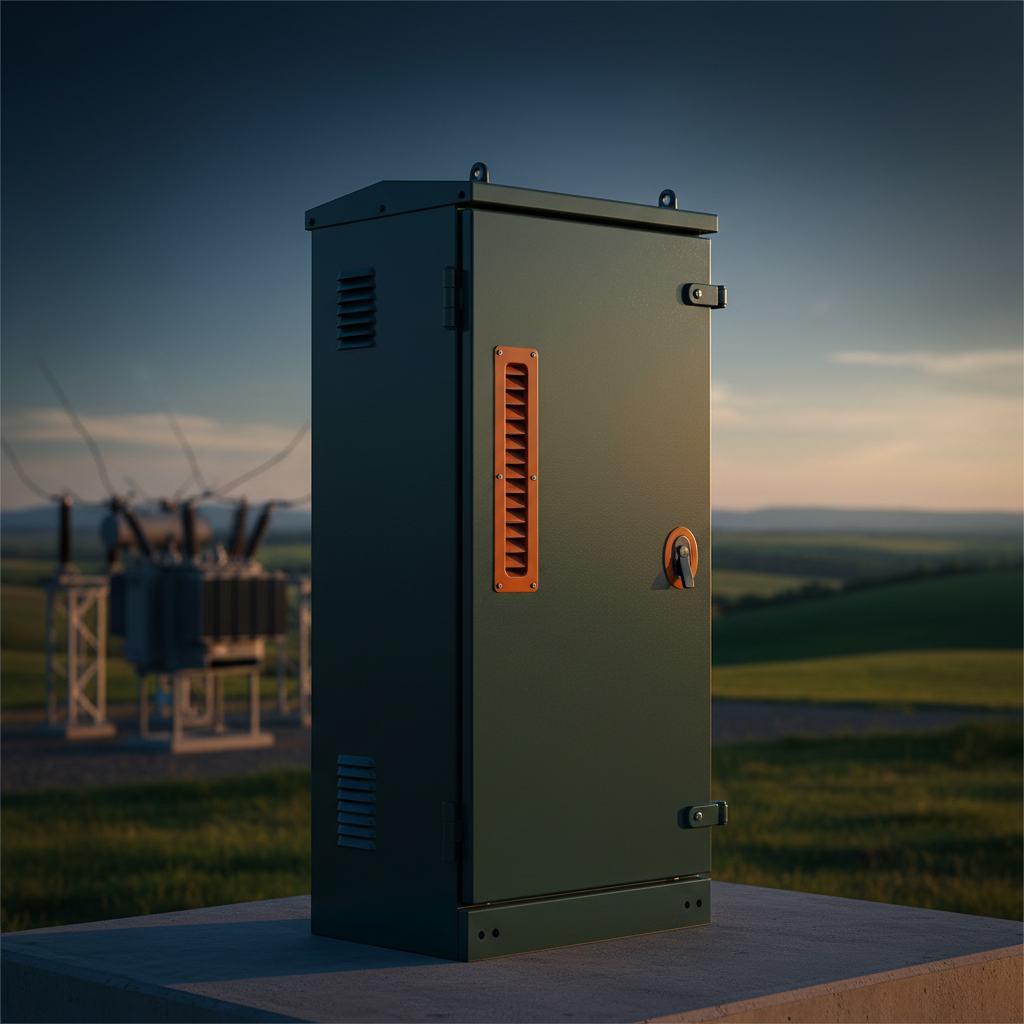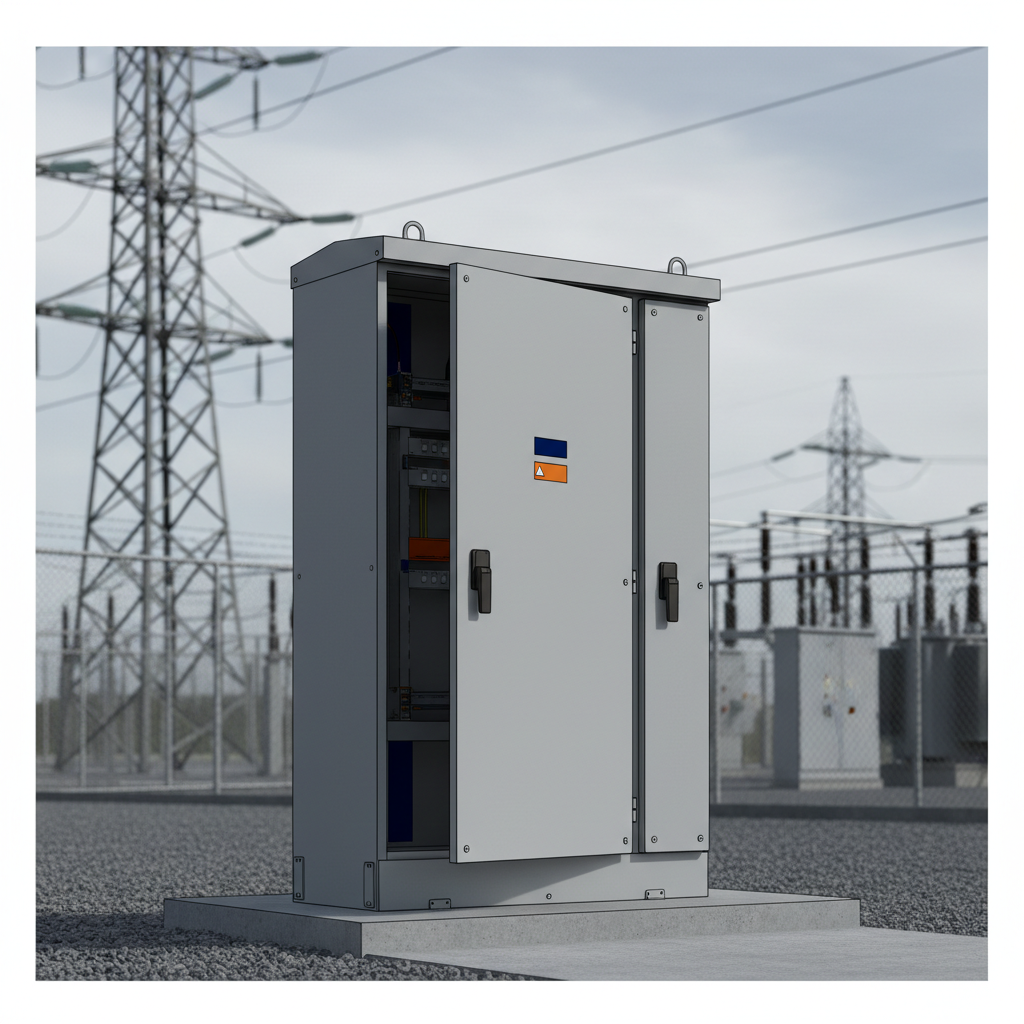
Feeder pillars are critical components in utility distribution networks, providing localized control and protection for underground cable networks. Proper specification ensures reliable, safe, and long-lasting performance in various environmental conditions. This guide delves into key considerations for utilities when selecting feeder pillars.
Understanding NEMA Enclosure Types
NEMA (National Electrical Manufacturers Association) ratings are fundamental to feeder pillar specification, defining the level of protection an enclosure provides against environmental hazards. For outdoor, padmount utility applications, NEMA Type 3R, 3RX, 4, 4X, and 6P are most commonly encountered.
- NEMA Type 3R: Provides protection against rain, sleet, and external ice formation. It is a common choice for outdoor electrical enclosures where personnel access is limited and wind-blown dust is not a significant concern. This type allows for external condensation drainage.
- NEMA Type 3RX: Similar to Type 3R but includes corrosion resistance. This is crucial in coastal regions or areas with industrial pollutants that could accelerate material degradation.
- NEMA Type 4: Offers a higher degree of protection against ingress of water (rain, sleet, snow, splashing water, and hose-directed water) and windblown dust. This rating is suitable for more exposed locations or where routine washdowns might occur.
- NEMA Type 4X: Provides the same protection as Type 4, with added corrosion resistance. This is often preferred for ultimate durability in harsh environments, such as chemical plants or marine applications where saltwater corrosion is a factor.
- NEMA Type 6P: Designed for prolonged submersion at a limited depth, providing protection against the ingress of water. While not typically a primary rating for standard padmount feeder pillars, it might be relevant for specialized applications in flood-prone areas.
Utilities must assess the environmental conditions of the installation site to select the appropriate NEMA rating, balancing protection with cost. Over-specifying can lead to unnecessary expenses, while under-specifying can result in premature equipment failure and service interruptions.
Padmount Design and Construction
Feeder pillars for utility applications are almost universally padmount designs, intended for installation on a concrete foundation. Several design and construction elements are vital for ensuring longevity and operational efficiency.
Material Selection
Common materials include stainless steel (Type 304 or 316), aluminum, and specially treated mild steel. Stainless steel offers superior corrosion resistance, making it ideal for harsh environments, especially Type 316 in extremely corrosive conditions. Aluminum provides a good strength-to-weight ratio and natural corrosion resistance, while treated mild steel offers a cost-effective solution with adequate protection when properly coated.
Security Features
Robust security features are essential to prevent unauthorized access and vandalism. This includes:
- Three-point locking mechanisms: For secure door closure.
- Anti-vandal hinges: Concealed or weld-on hinges are preferred.
- Padlock arrangements: Designed for utility-standard padlocks.
- Internal access panels: To restrict access to live components even when the main door is open.
Ventilation
Adequate ventilation is necessary to dissipate heat generated by internal components, especially in high-load applications or warmer climates. Louvered vents (often with insect screens) are common, but their design must maintain the enclosure's NEMA rating.
Cable Management and Entry
Feeder pillars must accommodate utility-standard cable entry and termination practices. This includes sufficient space for cable bending radii, provisions for glands, and earth bar connections. Bottom entry from the pad is common, requiring careful consideration of sealing to maintain the NEMA rating and prevent rodent ingress.
Electrical System Design and Compliance
The internal electrical components and overall system design must adhere to relevant industry standards and utility specifications.
Busbar Systems
Busbars should be adequately sized for the fault level and continuous current rating of the network. Copper busbars are standard, often tin-plated for enhanced conductivity and corrosion resistance. Clearances and creepage distances must comply with IEEE C37.20.1 or equivalent standards for medium-voltage switchgear.
Protection Devices
Circuit breakers, fuses, and disconnects must be correctly rated for voltage, current, and interruptive capacity. Selection should follow coordination studies to ensure selective tripping, minimizing the extent of outages. Overcurrent protective devices must comply with UL 489 (Molded-Case Circuit Breakers) or UL 248 (Low-Voltage Fuses).
Grounding and Bonding
Effective grounding and bonding are paramount for safety and fault current paths. The feeder pillar must include a robust main earthing terminal (MET) connected to the busbar earth and the enclosure. All non-current-carrying metal parts must be bonded. Installation practices must follow NFPA 70 (National Electrical Code) Article 250.
Arc Flash Hazard Considerations
Utilities should always consider arc flash hazards during specification, even if the primary purpose of the feeder pillar is distribution. Specifying features that reduce arc flash incident energy is a best practice. While not explicitly a feeder pillar standard, NFPA 70E Standard for Electrical Safety in the Workplace provides guidance on hazard assessment and safe work practices, which can influence design choices like segregated compartments or faster-acting protection devices.
Testing and Commissioning
Compliance with industry testing standards ensures the long-term reliability of the feeder pillar. Factory Acceptance Testing (FAT) should verify design and performance, while Site Acceptance Testing (SAT) and commissioning should follow procedures outlined in documents like NETA MTS (Maintenance Testing Specifications) to confirm correct installation and operation.
Summary of Key Specifications
| Feature | Key Consideration | Relevant Standard/Guideline |
|---|---|---|
| Enclosure | NEMA Type 3R, 3RX, 4, 4X (based on environment) | NEMA 250 |
| Material | Stainless Steel, Aluminum, Treated Mild Steel | (Utility Specific) |
| Busbars | Ampacity, Fault Rating, Plating | IEEE C37.20.1 |
| Protection | Circuit Breakers, Fuses, Disconnects | UL 489, UL 248 |
| Grounding | Main Earthing Terminal, Bonding | NFPA 70 (NEC) Article 250 |
| Security | 3-point locks, anti-vandal hinges | (Utility Specific) |
Bottom Line
Specifying utility feeder pillars requires a comprehensive understanding of environmental conditions, electrical demands, and adherence to established industry standards. Prioritizing robust construction, appropriate NEMA ratings, and proven electrical system design ensures safety, reliability, and minimal maintenance. AK&J Electric provides expert field testing, commissioning, and maintenance services for switchgear and distribution equipment, helping utilities ensure the long-term performance of their assets.