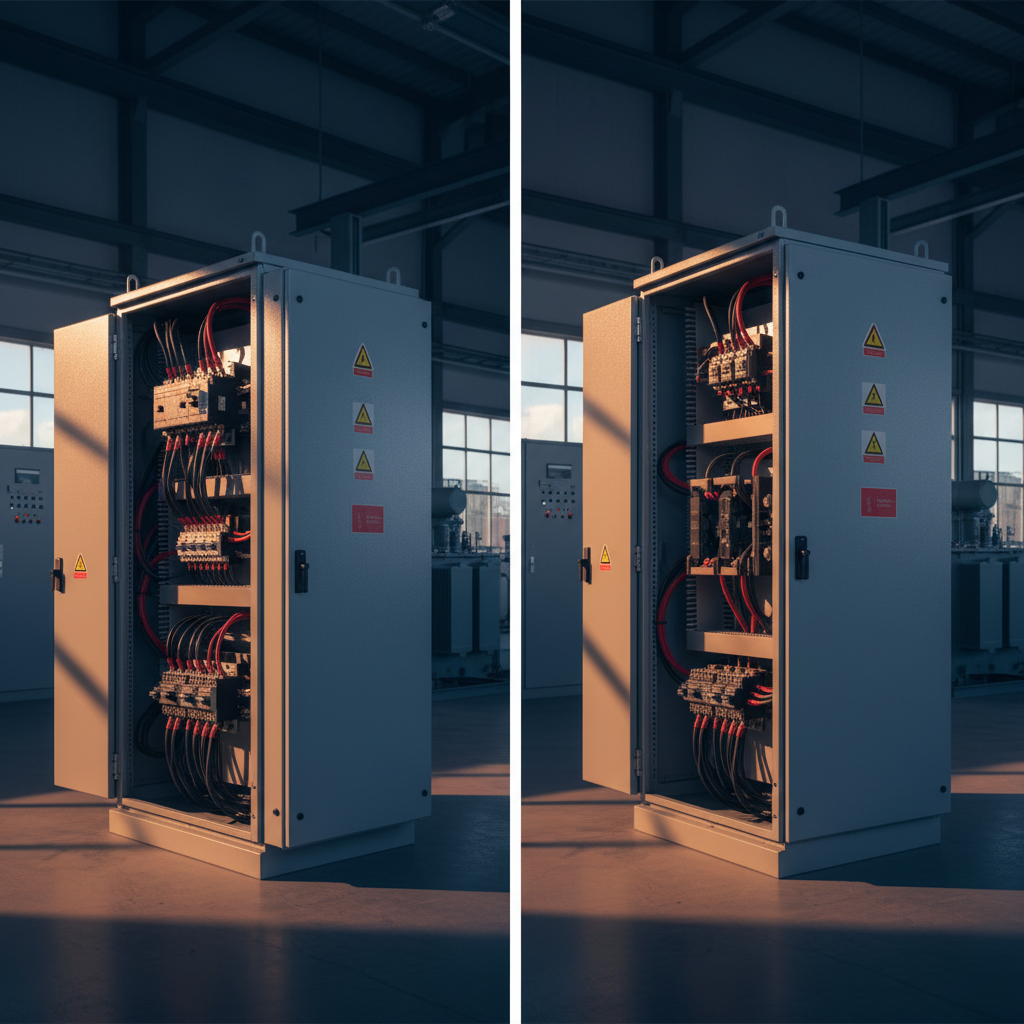
Utility infrastructure relies on robust and reliable electrical distribution equipment to ensure continuous power delivery. Among these critical components, feeder pillars play a pivotal role in safely connecting and protecting downstream circuits. Specifying the right feeder pillar requires a thorough understanding of operational demands, environmental conditions, and relevant electrical standards.
Understanding Feeder Pillars
Feeder pillars, also known as padmount enclosures or junction cabinets, are outdoor-rated electrical enclosures that house circuit breakers, fuses, switches, and sometimes transformers or control equipment. They serve as essential distribution points, often found in residential developments, commercial complexes, and industrial sites, connecting the utility grid to local loads. Their primary functions include protection, isolation, and distribution of electrical power.
Key Specification Considerations
When specifying a feeder pillar, several factors must be carefully evaluated to ensure optimal performance, longevity, and compliance.
1. Environmental Protection: NEMA Ratings
One of the most critical aspects of feeder pillar specification is its NEMA (National Electrical Manufacturers Association) rating. This rating dictates the enclosure's ability to protect against various environmental hazards, including dust, dirt, water, ice, and even corrosive agents. For utility applications, outdoor ratings are paramount.
- NEMA 3R: Common for outdoor applications, offering protection against falling dirt, rain, sleet, and external ice formation. It does not protect against windblown dust.
- NEMA 4: Provides a higher level of protection, safeguarding against windblown dust and rain, splashing water, hose-directed water, and external ice formation. This is often preferred for more exposed or demanding environments.
- NEMA 4X: Offers the same protection as NEMA 4, but with an added resistance to corrosion, making it suitable for coastal areas, chemical plants, or environments with corrosive agents.
Choosing the correct NEMA rating is not just about equipment longevity; it's about maintaining operational reliability and ensuring the safety of personnel, aligning with principles found in NFPA 70E, "Standard for Electrical Safety in the Workplace," which emphasizes appropriate equipment for the environment.
2. Padmount Design and Construction
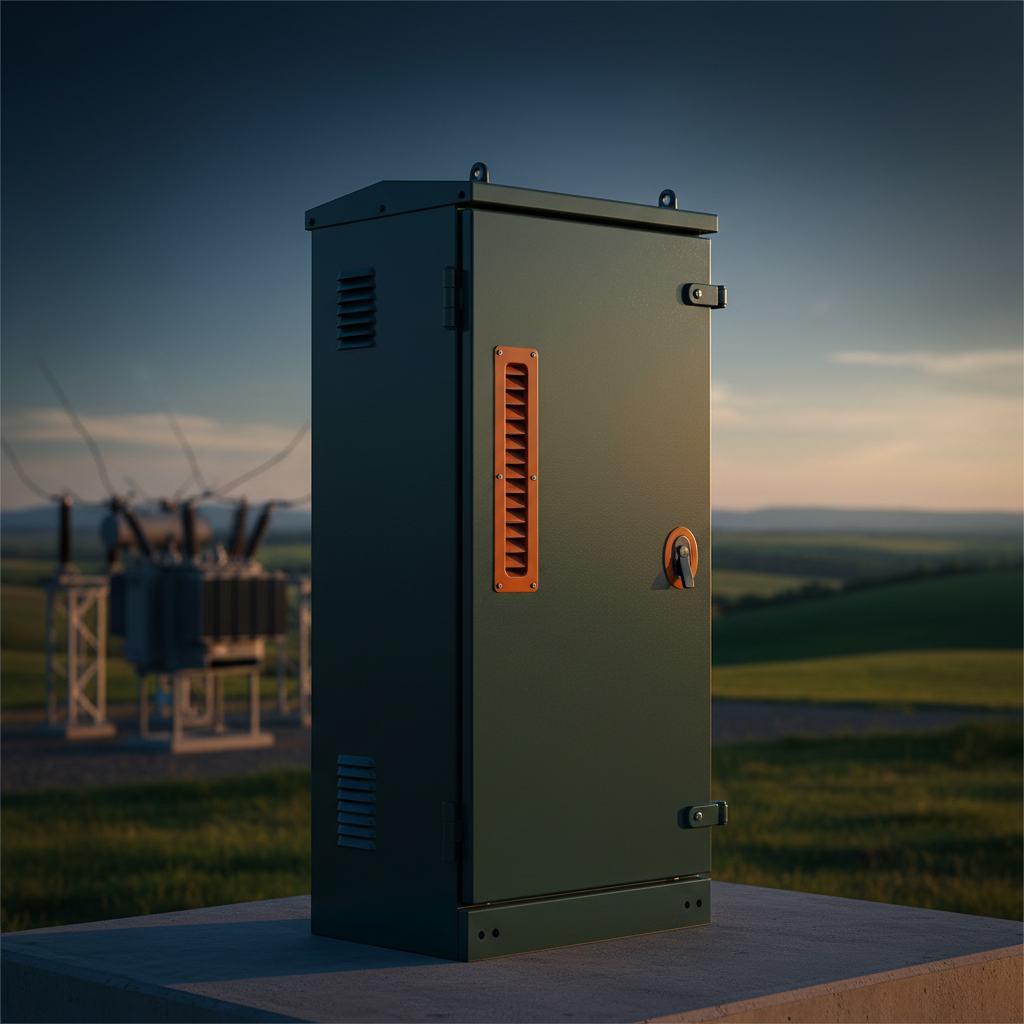
Feeder pillars are typically padmounted, meaning they are designed to be installed on a concrete slab or foundation at ground level. This design offers several advantages, including ease of access for maintenance and operation, and a lower profile that can be aesthetically pleasing.
Key aspects of padmount design include:
- Material: Common materials include aluminum, stainless steel, and painted galvanized steel. Stainless steel (304 or 316) offers superior corrosion resistance, crucial for NEMA 4X applications. Aluminum is lightweight and corrosion-resistant. Galvanized steel, when properly coated, provides a cost-effective solution.
- Ventilation: Proper ventilation is vital to manage internal heat generated by electrical components. This can include louvers (with appropriate NEMA ratings), filtered vents, or even active cooling systems in high-density applications. Overheating can accelerate insulation degradation and reduce component lifespan.
- Security: Utility equipment must be secure to prevent unauthorized access. This involves robust locking mechanisms, tamper-resistant hardware, and often provisions for utility-specific padlocks. The enclosure design should deter vandalism and theft.
- Cable Entry/Exit: Clear provisions for cable entry and exit are necessary, typically through the base of the enclosure into conduits. Designs should facilitate easy cable pulling and termination while maintaining the enclosure's environmental integrity.
- Foundation: The concrete pad must be engineered to support the weight of the feeder pillar and its internal components, resist uplift forces, and provide proper drainage to prevent water accumulation.
3. Electrical Component Selection
The internal components of a feeder pillar must meet specific performance requirements and safety standards. This includes:
- Switchgear: Circuit breakers (molded case, insulated case, or air circuit breakers) or fused switches provide overcurrent protection and fault interruption. Select devices with appropriate voltage, current, and interrupting ratings for the system.
- Busbar System: Robust busbars, typically copper or aluminum, must be rated for the full continuous current and withstand short-circuit forces. Proper insulation and spacing are critical.
- Control and Metering: Depending on the application, the pillar may house control relays, current transformers (CTs), potential transformers (PTs), and revenue metering equipment. These components must be accurately specified and correctly integrated.
- Arc-Flash Mitigation: Designs should consider arc-flash hazards as outlined in NFPA 70E. This might involve current-limiting devices, arc-resistant switchgear designs, or remote operating capabilities to reduce personnel exposure. Facilities should conduct arc-flash studies to determine incident energy levels.
4. Adherence to Standards and Codes
Compliance with national and local electrical codes and industry standards is non-negotiable. Key standards include:
- NFPA 70 (National Electrical Code - NEC): Provides requirements for safe electrical installations, covering aspects like wiring methods, grounding, overcurrent protection, and equipment ratings. For instance, NEC 2023 Article 110.26 dictates working clearances around electrical equipment.
- IEEE C37.20.3: Standard for Metal-Enclosed Interrupter Switchgear, applicable to medium-voltage switchgear often found in larger feeder pillars.
- NETA MTS (Maintenance Testing Specifications): While not a design standard, NETA MTS provides guidance for the acceptance and maintenance testing of electrical power equipment, ensuring it performs as intended after installation and throughout its lifecycle.
- Local Utility Standards: Utilities often have specific requirements that may exceed national codes. Always consult the serving utility's standards and specifications.
Comparative Overview of Enclosure Types
| Feature | NEMA 3R | NEMA 4 | NEMA 4X |
|---|---|---|---|
| Protection From | Rain, sleet, external ice | Windblown dust/rain, hose-directed water, external ice | Same as NEMA 4, plus corrosion resistance |
| Application | General outdoor | Exposed outdoor, washdown areas | Corrosive environments (e.g., coastal, chemical) |
| Material Often | Painted steel | Painted steel, aluminum | Stainless steel, FRP |
Bottom Line
Specifying a feeder pillar for utility applications demands a comprehensive approach, balancing environmental protection, robust mechanical design, appropriate electrical component selection, and strict adherence to industry standards like NEC, NFPA 70E, and NEMA ratings. A well-specified feeder pillar ensures long-term reliability, minimizes maintenance, and enhances overall grid safety. For assistance with detailed engineering, testing, and commissioning of your critical electrical infrastructure, consider partnering with experienced professionals.