Utilities rely on robust and reliable infrastructure to deliver continuous power to their customers. A critical component of this infrastructure is the feeder pillar, serving as a distribution point, protection hub, and often an isolation device within the low-voltage network. Proper specification is paramount to ensuring safety, operational efficiency, and long-term durability in diverse environmental conditions. This guide delves into key considerations for specifying feeder pillars tailored for utility applications.
Understanding Feeder Pillar Fundamentals
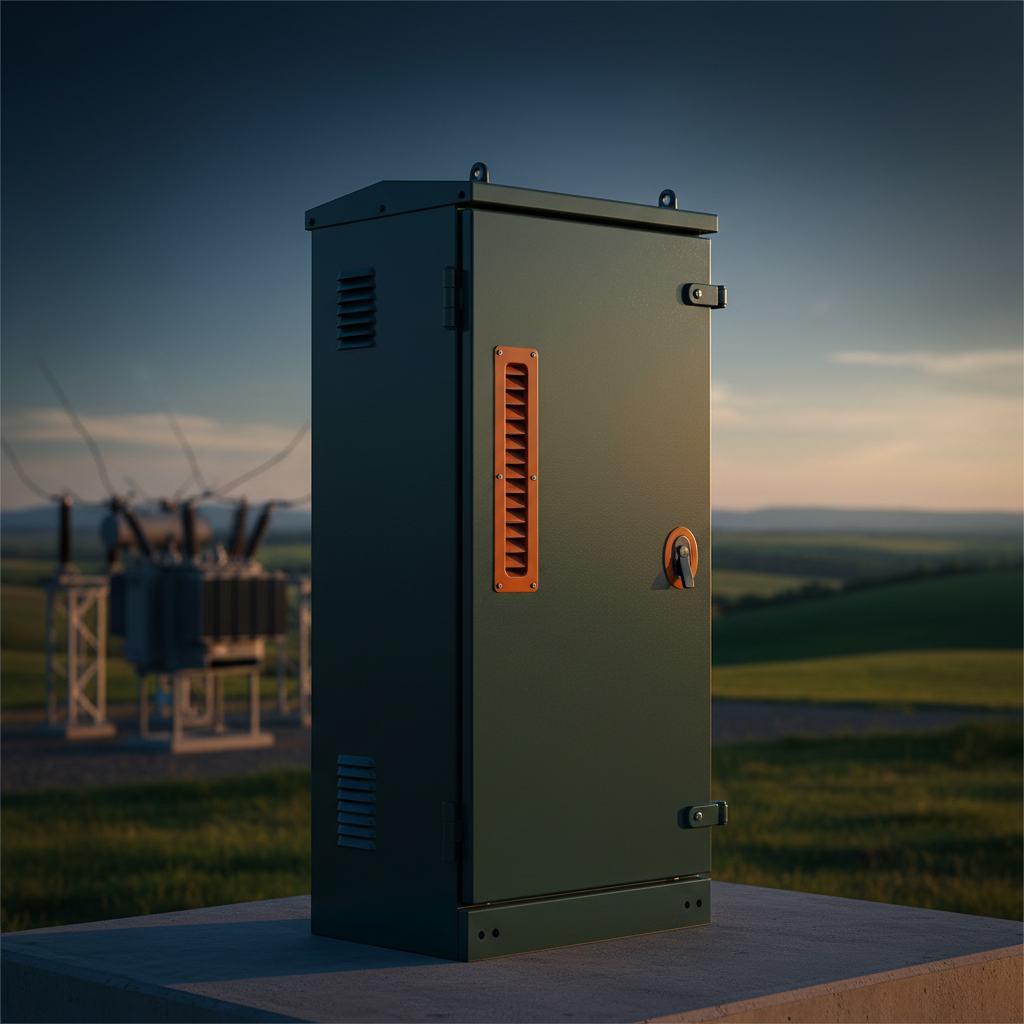
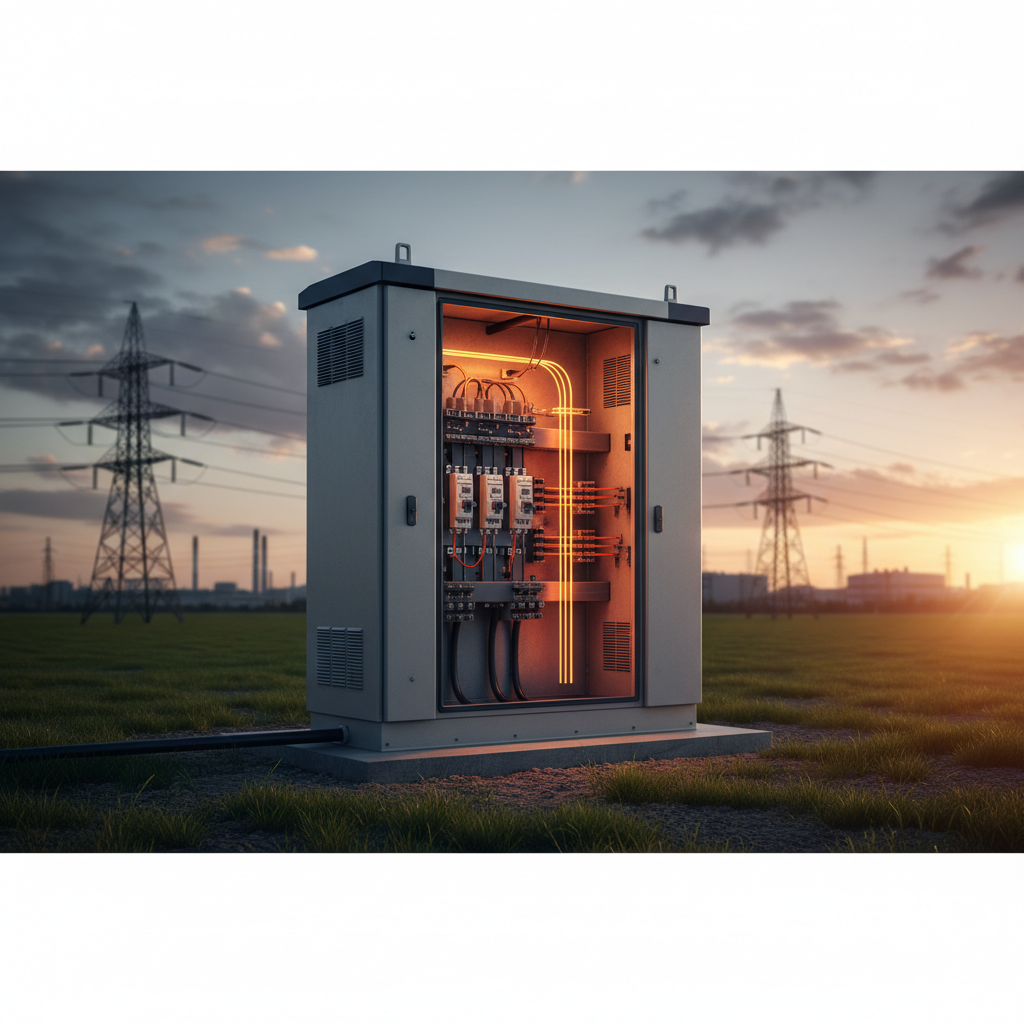
Feeder pillars are outdoor-rated enclosures housing switchgear, protection devices, and sometimes metering equipment, enabling the connection and disconnection of multiple feeders from a main supply. They are typically found at the interface between the utility distribution network and consumer connections, or at branching points within the utility’s own network. Their design must accommodate electrical fault conditions, environmental exposure, and the need for safe access for maintenance and operation.
NEMA Enclosure Ratings for Environmental Protection
One of the most critical aspects of feeder pillar specification for outdoor utility use is the NEMA (National Electrical Manufacturers Association) enclosure rating. This rating dictates the level of protection the enclosure provides against environmental hazards such as rain, snow, dust, ice, and even corrosive agents.
For outdoor, pad-mounted utility applications, common NEMA ratings include:
- NEMA 3R: Provides protection against rain, sleet, and external ice formation. It’s a common choice for general outdoor installations where dust and hose-directed water are not significant concerns.
- NEMA 4: Offers a higher degree of protection, guarding against windblown dust and rain, splashing water, and hose-directed water. It also protects against external ice formation and is non-corrosion resistant.
- NEMA 4X: Similar to NEMA 4 but adds protection against corrosion. This is often preferred in coastal areas, industrial environments, or where de-icing salts are used, prolonging the life of the enclosure and internal components.
Selecting the appropriate NEMA rating is crucial for preventing ingress that could lead to equipment failure, short circuits, or safety hazards. Referencing NFPA 70 (National Electrical Code) sections pertaining to enclosures (e.g., Article 110.28) is essential to ensure compliance with minimum requirements based on the installation environment.
Padmount Design Considerations
Feeder pillars are frequently deployed as pad-mounted units, offering benefits in terms of security, aesthetics, and accessibility. However, this configuration introduces specific design requirements:
- Structural Integrity: The enclosure must be robust enough to be mounted directly on a concrete pad without deflection or compromising internal components. Provisions for secure anchoring are necessary.
- Security: Utility equipment often requires enhanced security features to prevent unauthorized access and vandalism. This includes robust locking mechanisms, tamper-resistant hinges, and potentially anti-graffiti coatings.
- Ventilation: While maintaining NEMA ratings, adequate ventilation must be provided to dissipate heat generated by internal electrical components, especially in high ambient temperatures. This often involves filtered vents or indirect ventilation systems that do not compromise the enclosure’s ingress protection.
- Cable Entry/Exit: Design must accommodate underground cable entry and exit points, typically through the base of the enclosure. This requires appropriate gland plates or sealing methods to maintain the NEMA rating and prevent rodent ingress.
- Accessibility: Despite being secure, the design must allow safe and efficient access for authorized personnel for operations, inspection, and maintenance. Front-access or three-sided access configurations are common.
Electrical Specifications and Component Selection
Beyond the enclosure, the internal electrical components are the heart of the feeder pillar.
- Switchgear Type: This includes load break switches, circuit breakers, or fused disconnects. The choice depends on the required fault interruption capability, voltage level, and operational needs. Components must meet relevant ANSI/IEEE standards for switchgear.
- Busbar System: Robust busbar systems, rated for continuous current and short-circuit withstand capabilities, are fundamental. Materials like copper or aluminum, with appropriate insulation and bracing, are standard.
- Protection Devices: Overcurrent protection (fuses, circuit breakers with relays) must be correctly sized and coordinated according to NFPA 70 to protect cables and equipment downstream. Arc-flash considerations as per NFPA 70E (Standard for Electrical Safety in the Workplace) dictate the need for robust fault containment and personnel protection.
- Metering and SCADA Integration: Many modern feeder pillars integrate revenue metering, smart grid sensors, and remote terminal units (RTUs) for SCADA (Supervisory Control and Data Acquisition) integration, allowing for remote monitoring and control.
Maintenance and Testing Standards
For ongoing reliability, proper maintenance and periodic testing are critical. Utility feeder pillars should be inspected and tested in accordance with NETA MTS (Maintenance Testing Specifications) or similar utility-specific standards. This includes:
- Visual and mechanical inspections.
- Insulation resistance tests.
- Contact resistance tests for switches and breakers.
- Functional checks of protection relays.
- Torque verification of electrical connections.
Adherence to these standards ensures the feeder pillar continues to operate safely and effectively throughout its service life, minimizing unplanned outages and extending asset longevity.
A Quick Look at Common Feeder Pillar Components
| Component | Function | Key Specification |
|---|---|---|
| Enclosure | Protects internal components from environment | NEMA Rating (e.g., 3R, 4, 4X), Material, Security |
| Main Switch/Breaker | Isolates or protects the entire feeder | Voltage, Current, Interrupting Rating (kAIC) |
| Feeder Switches/CBs | Distributes power to individual circuits | Voltage, Current, Overcurrent Protection Type |
| Busbars | Conducts power within the pillar | Continuous Current, Short-Circuit Withstand |
| Gland Plates | Sealed cable entry/exit points | Material, Cable Diameter Range, NEMA Rating Seal |
Bottom Line
Specifying feeder pillars for utility applications is a multi-faceted process demanding a comprehensive understanding of electrical engineering principles, environmental challenges, and regulatory compliance. Prioritizing robust NEMA-rated enclosures, secure padmount designs, and correctly specified internal electrical components in accordance with standards like NFPA 70, NFPA 70E, NETA MTS, and IEEE, ensures the deployment of safe, reliable, and durable infrastructure. AK&J Electric provides expert consultation, installation, and field testing services to ensure your electrical distribution assets meet these stringent requirements and perform optimally for decades to come.