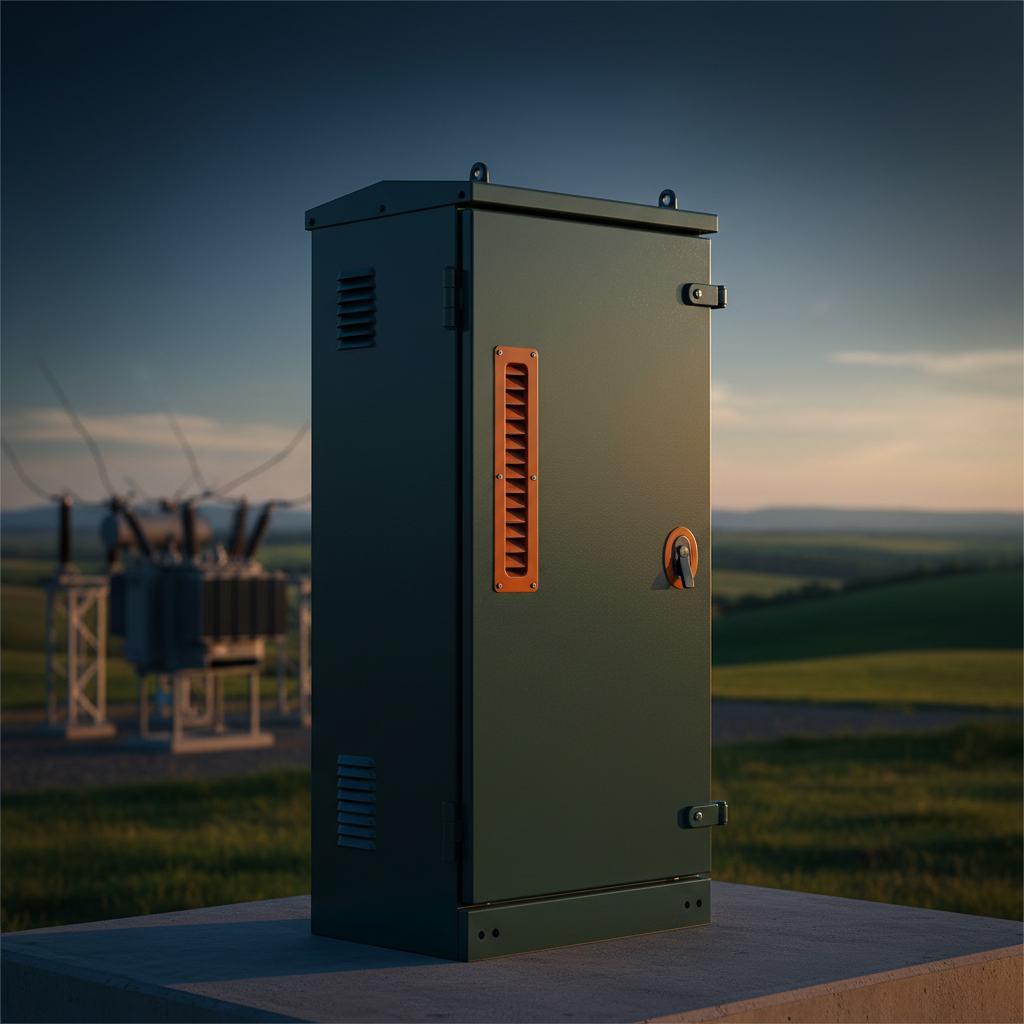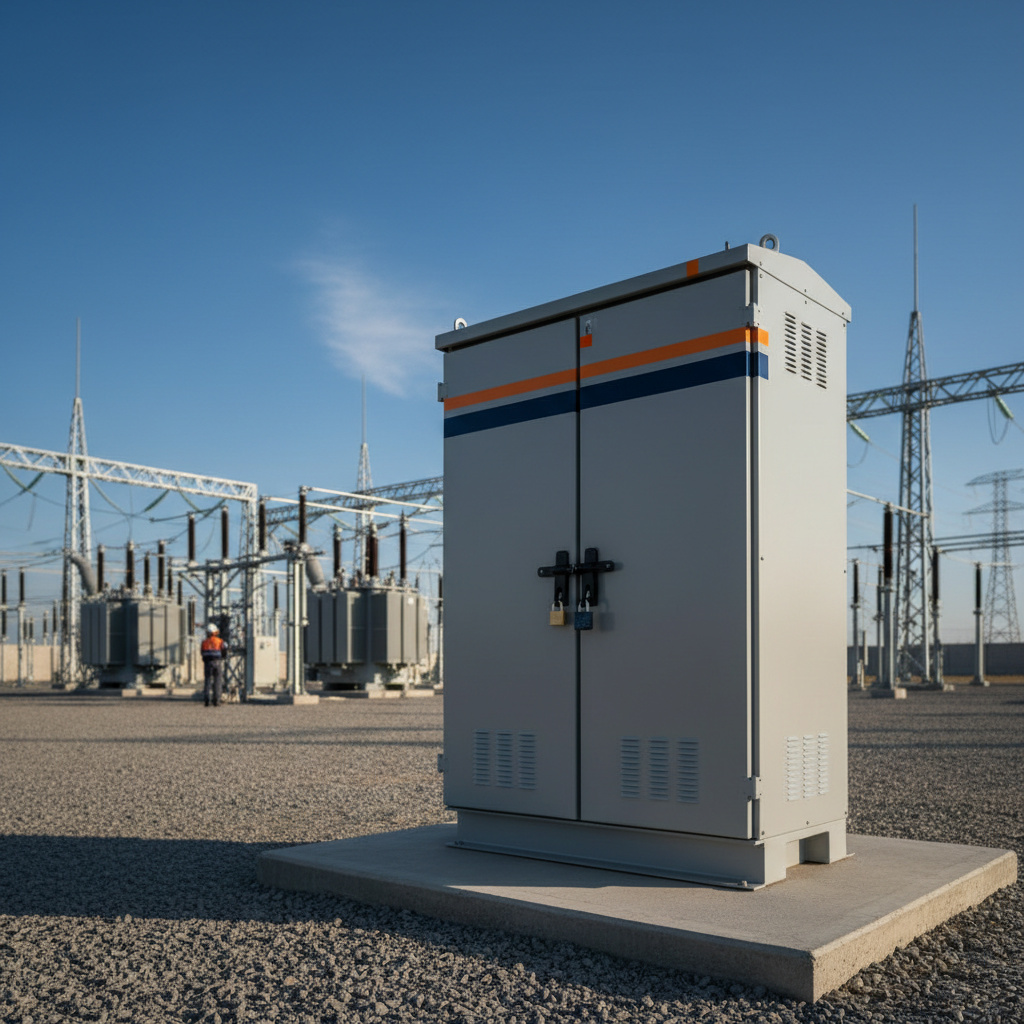
Feeder pillars are critical components in electrical distribution networks, serving as robust enclosures for power distribution equipment such as circuit breakers, fuses, and switchgear. Proper specification ensures reliable operation, enhanced safety for personnel, and longevity of the assets in various environmental conditions.
Understanding NEMA Ratings for Environmental Protection
One of the foremost considerations in specifying feeder pillars is the appropriate National Electrical Manufacturers Association (NEMA) rating. NEMA standards define the types of environments in which an enclosure can be used, crucial for protecting internal electrical components from dust, water, and other contaminants. For utility applications, common NEMA ratings include:
- NEMA 3R: Designed for outdoor use, providing protection against rain, sleet, and external ice formation. It does not provide protection against windblown dust or hose-directed water. This is a common choice for many general outdoor utility applications.
- NEMA 4: Provides a higher level of protection, safeguarding against windblown dust and rain, splashing water, and hose-directed water. It is ice-resistant. This rating is suitable for more exposed locations or areas prone to pressure washing.
- NEMA 4X: Offers the same protection as NEMA 4, with the added benefit of corrosion resistance, typically achieved through the use of stainless steel or specially coated materials. Essential for coastal regions, chemical plants, or environments with corrosive agents.
Selecting the correct NEMA rating is paramount for preventing equipment failure, reducing maintenance costs, and ensuring compliance with safety standards such as those outlined in NFPA 70, the National Electrical Code (NEC). Failure to specify an adequate rating can lead to premature degradation of internal components, increasing the risk of outages and hazards.
Padmount Configurations: Accessibility, Safety, and Aesthetics
Padmount feeder pillars are designed for ground-level installation, offering several advantages depending on the application. Their inherent design typically means all live parts are enclosed and accessible only via secured doors, enhancing public safety compared to pole-mounted equipment. Key considerations for padmount configurations include:
- Security: Robust locking mechanisms and tamper-resistant designs are crucial to prevent unauthorized access, protecting both the equipment and the public. This aligns with general safety practices detailed in NFPA 70E, "Standard for Electrical Safety in the Workplace," which emphasizes safeguarding against electrical hazards.
- Ventilation: Adequate ventilation systems are necessary to dissipate heat generated by internal components, especially in direct sunlight or high-load conditions. Designs should prevent ingress of water and foreign objects while ensuring airflow.
- Foundation and Mounting: A stable, level concrete pad is essential. The design of the feeder pillar should facilitate secure anchoring to prevent relocation or damage from external forces. Consideration for cable entry (underground) and egress is also integrated into the pad design.
- Aesthetics: In urban or residential areas, the visual impact of utility equipment is a factor. Padmount designs can often be screened or landscaped more easily than overhead installations, contributing to community acceptance.
Critical Internal Components and Layout
While the external enclosure protects, the internal components define functionality. Specifying these elements requires a focus on reliability, maintainability, and future expandability:
- Switchgear/Circuit Breakers: Depending on the application, feeder pillars can house low-voltage circuit breakers or medium-voltage switches. Specification must include interrupting rating, continuous current rating, and coordination with upstream and downstream protective devices. Adherence to IEEE standards for switchgear, such as IEEE C37.20.x series, is vital.
- Busbar Systems: The busbar material (e.g., copper, aluminum), sizing, and bracing must be specified to withstand anticipated fault currents and continuous operating currents. NETA