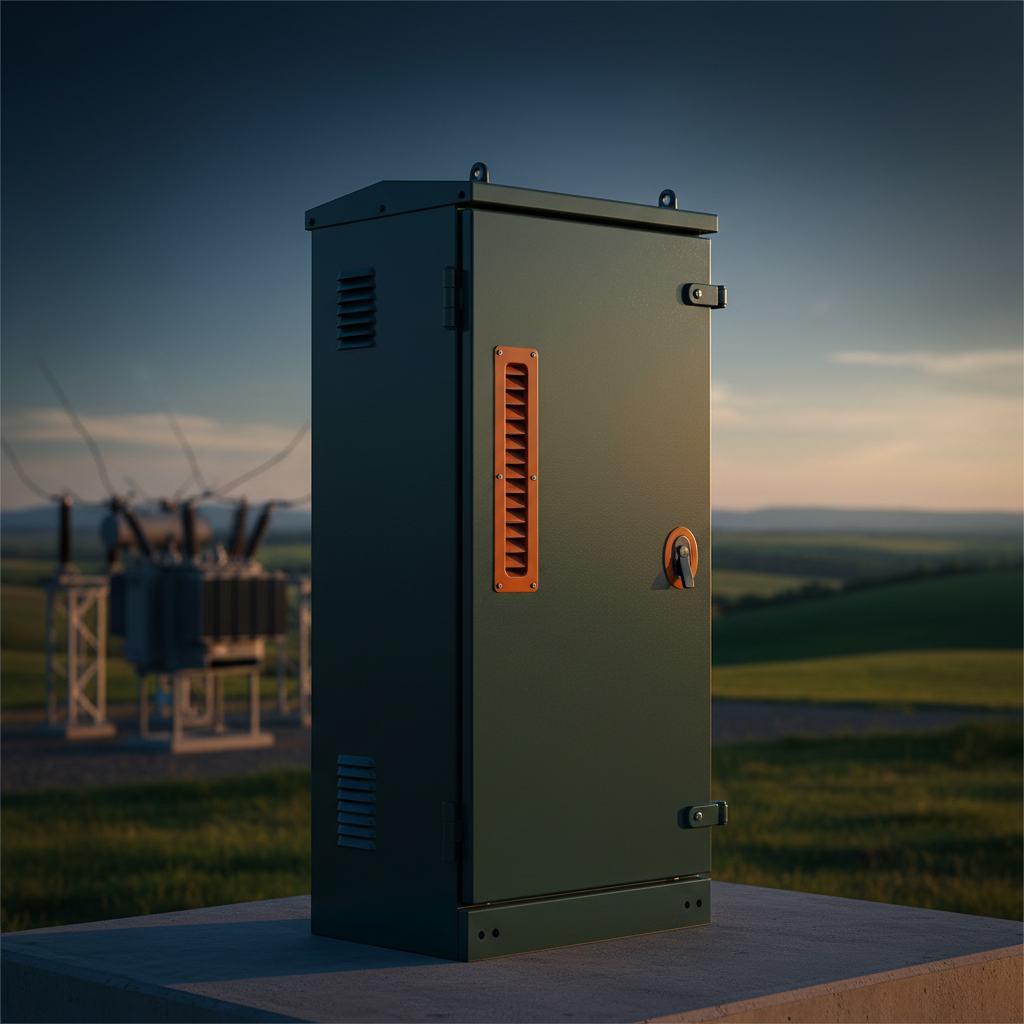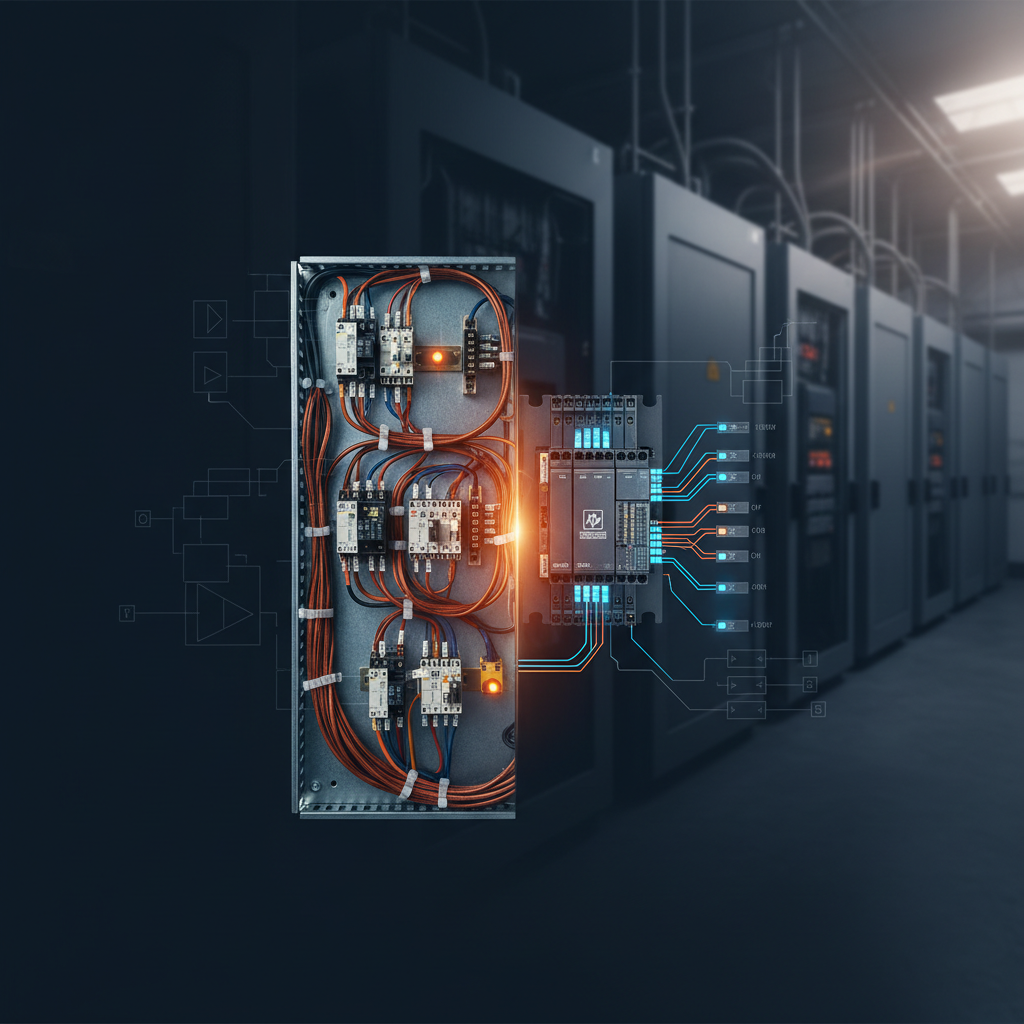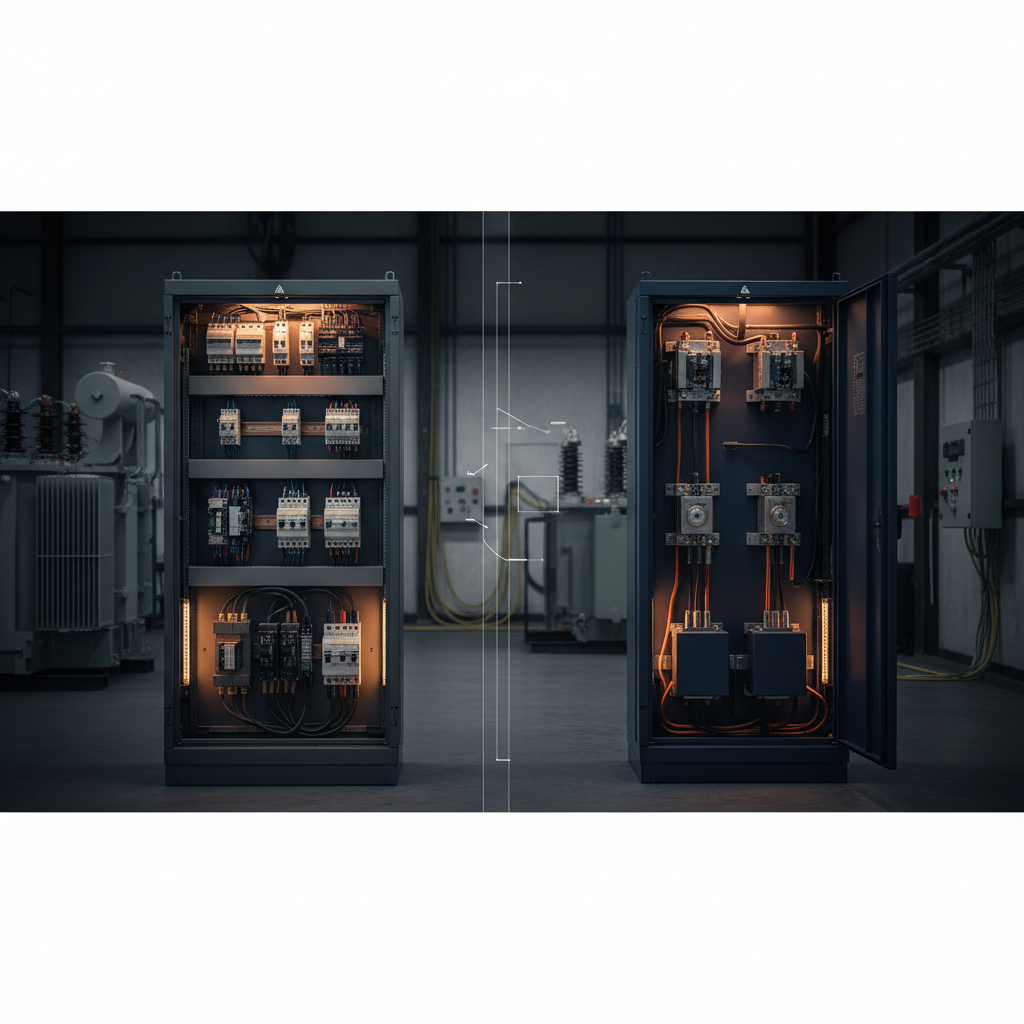
Navigating the complexities of electrical distribution systems in industrial environments requires careful consideration of various components, with switchgear being paramount. The choice between low-voltage (LV) and medium-voltage (MV) switchgear profoundly impacts safety, reliability, and operational efficiency. Understanding the distinctions in their design, application, and adherence to industry standards is essential for making an informed decision.
Understanding Voltage Classifications
The fundamental differentiator between LV and MV switchgear lies in their nominal voltage ratings, as defined by industry standards such as ANSI C84.1, American National Standard for Electric Power Systems and Equipment – Voltage Ratings (60 Hz). Generally:
- Low Voltage (LV): Encompasses systems rated up to 1,000 volts (V). This category includes common industrial voltages like 480/277V and 208/120V systems.
- Medium Voltage (MV): Refers to systems with nominal voltages ranging from 1,001 V to 38,000 V (38 kV). Industrial applications frequently utilize MV systems such as 4.16 kV, 13.8 kV, and occasionally 34.5 kV.
These classifications are not arbitrary. They dictate the insulation levels, arc-extinguishing methods, and personnel safety requirements inherent in the design and operation of the switchgear.
Key Differences in Ratings and Construction
The disparities between LV and MV switchgear extend beyond just voltage. Fundamental differences exist in their current ratings, interrupting capabilities, and physical construction.
Current Ratings
LV switchgear, particularly low-voltage power circuit breaker switchgear (per ANSI C37.20.1), is typically designed for higher continuous current ratings and very high fault currents at lower voltages. For example, main breakers in LV switchgear can be rated for thousands of amperes (e.g., 4000 A or 5000 A) to serve large motor control centers or distribution panels. Conversely, while MV switchgear (per ANSI C37.20.2 or C37.20.3) can also handle substantial currents, its design prioritizes managing higher voltages, often leading to lower continuous current ratings for individual feeders compared to their LV counterparts for a given power level.
Interrupting Capabilities
Interrupting ratings are crucial for fault protection. Both LV and MV switchgear are designed to safely interrupt short-circuit currents. However, the mechanisms differ significantly. LV circuit breakers often utilize air-magnetic or thermal-magnetic trip units, while MV switchgear frequently employs vacuum or SF6 interrupters for arc quenching. The very nature of higher voltage arcs in MV systems necessitates more robust and specialized interrupting technologies to safely clear faults.
Construction and Physical Footprint
MV switchgear is inherently more robust and physically larger than LV switchgear due to increased insulation requirements and greater phase-to-phase and phase-to-ground clearances. It often features compartmentalized construction to isolate components and enhance safety, particularly regarding arc-flash containment. LV switchgear, while still substantial, is more compact and commonly found in distribution panels and motor control centers.
Here’s a simplified comparison:
| Feature | Low Voltage (LV) Switchgear | Medium Voltage (MV) Switchgear |
|---|---|---|
| Voltage Range | < 1000V | 1 kV – 38 kV |
| Insulation | Air, molded case, limited | Air, vacuum, SF6, solid dielectric |
| Arc Quenching | Air-magnetic, thermal-magnetic | Vacuum, SF6 |
| Footprint | More compact | Larger, significant clearances |
| Typical Cost | Lower per functional unit | Higher per functional unit |
Applications in Industrial Facilities
The application of LV and MV switchgear is dictated by the power requirements and distribution architecture of an industrial site.
Low Voltage Switchgear Applications
LV switchgear is the backbone of most facility's internal power distribution for loads under 1 kV. It is commonly used for:
- Motor Control Centers (MCCs): Controlling and protecting numerous low-voltage motors.
- Lighting and Receptacle Panels: Supplying power to general facility loads.
- Distribution Panels: Breaking down larger LV feeds into smaller, manageable circuits.
- Low-voltage Substation Secondary: Distributing power from the secondary of a step-down transformer.
Medium Voltage Switchgear Applications
MV switchgear is employed for primary power distribution within larger industrial complexes. Typical applications include:
- Main Incoming Service: Accepting power directly from the utility grid at medium voltage.
- Primary Distribution to Substations: Distributing MV power to various step-down transformers throughout the plant.
- Large Motor Drives: Supplying power to high-horsepower motors (e.g., pumps, compressors, crushers) that operate directly at MV.
- Generators: Connecting and protecting medium-voltage generators within a cogeneration or backup power system.
Cost Considerations
The initial procurement and installation costs for MV switchgear are generally higher than for LV switchgear due to the specialized components, larger physical size, and more complex protective relaying. However, a holistic cost analysis must include:
- Energy Efficiency: Transmitting power at higher voltages reduces current and, consequently, I²R losses, especially over longer distances. This can lead to significant operational savings when using MV distribution within a large facility.
- Cable Costs: While MV switchgear is more expensive, using MV allows for smaller conductor sizes for the same power delivery compared to LV, potentially offsetting some costs in cabling for extensive runs.
- Maintenance: Both types require routine maintenance (e.g., per NETA MTS guidelines). MV switchgear maintenance often involves specialized test equipment and certified technicians due to the inherent hazards.
Code Compliance and Safety
Adherence to electrical safety standards is non-negotiable for both LV and MV installations.
- NEC (NFPA 70): The National Electrical Code (NEC) provides fundamental requirements for electrical installations, including wiring methods, overcurrent protection, and grounding for both LV and MV systems. Article 490 specifically addresses equipment over 1,000 volts, detailing construction and installation requirements.
- NFPA 70E: Standard for Electrical Safety in the Workplace is crucial for mitigating arc-flash and shock hazards. It mandates specific safety-related work practices, employee training, and the use of appropriate personal protective equipment (PPE) when working on or near energized LV and MV switchgear. Arc-flash studies are critical for both, but the incident energy levels and resulting PPE categories for MV equipment can often be significantly higher.
- NETA Standards: The InterNational Electrical Testing Association (NETA) publishes standards such as NETA ATS (Acceptance Testing Specifications) and NETA MTS (Maintenance Testing Specifications). These standards provide rigorous guidelines for the testing, commissioning, and routine maintenance of both LV and MV switchgear, ensuring their safe and reliable operation throughout their lifecycle.
- IEEE Standards: The Institute of Electrical and Electronics Engineers (IEEE) provides numerous standards for the design and application of switchgear, such as the IEEE C37 series, which defines characteristics, testing, and application guides for various types of LV and MV switchgear assemblies and circuit breakers.
Bottom Line
The choice between LV and MV switchgear for an industrial facility is a strategic engineering decision driven by power demand, distribution distance, safety requirements, and long-term operational costs. While MV switchgear offers efficiency advantages for large power distribution, LV switchgear remains essential for localized power delivery to an array of equipment. Comprehensive design, careful specification, and adherence to industry standards like NEC, NFPA 70E, NETA, and IEEE are paramount for ensuring a safe, reliable, and cost-effective electrical system. AK&J Electric possesses extensive experience in comprehensive electrical testing, commissioning, and maintenance services for both low-voltage and medium-voltage switchgear, providing the expertise to optimize your facility's power infrastructure.