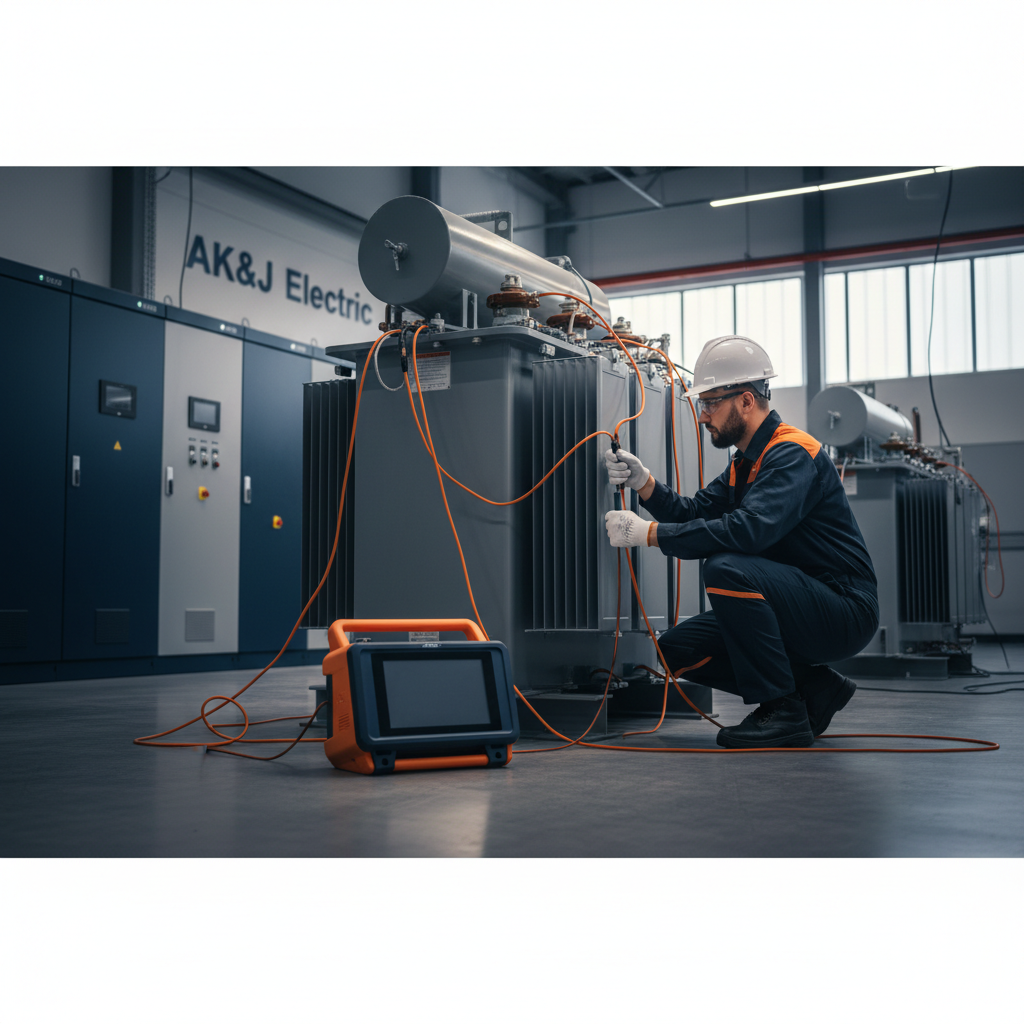
In today's operational environment, unexpected electrical outages can lead to significant financial losses, production halts, and safety hazards. Your facility's electrical switchgear is the backbone of its power distribution system, and its reliable operation is paramount. This is where NETA-certified testing becomes indispensable.
The Crucial Role of Electrical Switchgear
Switchgear encompasses a wide range of devices—circuit breakers, disconnect switches, fuses, and control components—designed to protect, control, and isolate electrical equipment, thereby ensuring the safety and stability of electrical systems. From managing incoming utility power to distributing electricity throughout a plant, properly functioning switchgear is non-negotiable for seamless operations. Without thorough testing and maintenance, even the most robust systems are susceptible to premature failure, leading to costly downtime and potential catastrophic events.
Why NETA Certification Matters
The International Electrical Testing Association (NETA) is a globally recognized accreditation body that sets rigorous standards for electrical power equipment testing and maintenance. NETA-certified technicians and companies adhere to stringent guidelines, ensuring tests are performed consistently and accurately, providing objective evidence of equipment condition. This certification signifies a commitment to quality, safety, and reliability that extends far beyond a simple "pass" or "fail" result.
NETA standards are developed by industry experts and are continuously updated to reflect best practices and technological advancements. Adherence to these standards helps facilities meet or exceed regulatory requirements, including those outlined in NFPA 70E, Standard for Electrical Safety in the Workplace, which emphasizes the importance of proper maintenance for electrical safety programs.
NETA Acceptance Testing vs. Maintenance Testing
Understanding the distinction between NETA Acceptance Testing Specifications (ATS) and NETA Maintenance Testing Specifications (MTS) is crucial for comprehensive electrical system management. While both aim to ensure reliable operation, their timing and objectives differ significantly.
NETA Acceptance Testing (NETA ATS)
Acceptance testing is performed on new electrical equipment before it is energized and placed into service. The primary goal of NETA ATS is to verify that the equipment meets manufacturer specifications, design intent, and applicable industry standards upon installation. This includes checking for proper installation, identifying manufacturing defects, and ensuring that all components function as designed from day one. It acts as a critical quality control step, catching potential issues before they can cause operational problems or safety hazards.
Key Aspects of NETA ATS:
- Timing: Performed on new equipment before initial energization.
- Purpose: Verify proper installation, confirm manufacturing quality, and ensure compliance with design specifications.
- Benefits: Reduces infant mortality rates of equipment, validates warranty claims, establishes baseline data for future maintenance.
- Reference: ANSI/NETA ATS, Standard for Acceptance Testing Specifications for Electrical Power Equipment and Systems.
NETA Maintenance Testing (NETA MTS)
Maintenance testing, guided by NETA MTS, is performed periodically throughout the life of the electrical equipment. Its objective is to assess the ongoing condition of the equipment, detect deterioration over time, and identify potential failures before they occur. Regular maintenance testing is a cornerstone of a proactive maintenance strategy, helping facilities transition from reactive repairs to predictive maintenance.
Key Aspects of NETA MTS:
- Timing: Performed periodically during the operational life of the equipment (e.g., annually, triennially, or as conditions dictate).
- Purpose: Detect incipient faults, monitor degradation, ensure continued reliable operation, and prevent unexpected outages.
- Benefits: Extends equipment lifespan, minimizes unscheduled downtime, enhances safety, optimizes maintenance budgets.
- Reference: ANSI/NETA MTS, Standard for Maintenance Testing Specifications for Electrical Power Equipment and Systems.
A Comparative Look
| Feature | NETA Acceptance Testing (ATS) | NETA Maintenance Testing (MTS) |
|---|---|---|
| Timing | Before initial energization | Periodically during operation |
| Primary Goal | Verify new equipment, baseline data | Assess ongoing condition, prevent failure |
| Key Outcome | Confirm proper installation/function | Detect degradation, ensure reliability |
| Detection Focus | Installation errors, manufacturing defects | Wear, aging, environmental stress |
The Impact on Facility Uptime and Safety
Both NETA ATS and MTS contribute directly to improved facility uptime and safety. Acceptance testing sets a high bar for initial reliability, preventing "day one" failures. Maintenance testing ensures that this reliability is sustained, proactively identifying components that require repair or replacement before they fail catastrophically. This preventative approach aligns with the principles of the National Electrical Code (NEC 2023), Article 110.10, which emphasizes that electrical equipment must be suitable for the intended use and installed and maintained to minimize hazards.
Regular testing identifies issues such as insulation breakdown, loose connections, worn contacts, and overheating—all common precursors to equipment failure. By addressing these issues during scheduled outages, facilities avoid emergency shutdowns, costly repairs, and the significant safety risks associated with equipment malfunction, including arc-flash incidents addressed by NFPA 70E.
Bottom Line
Investing in NETA-certified switchgear testing, both acceptance and maintenance, is not merely a compliance exercise; it is a strategic imperative for any facility dependent on reliable electrical power. It safeguards your assets, protects your personnel, and ensures the continuous operation of your business. Proactive testing and maintenance, guided by industry standards like NETA ATS and MTS, are the most effective ways to maximize the lifespan of your switchgear and minimize the risk of costly, unplanned downtime. AK&J Electric provides comprehensive, NETA-certified testing and commissioning services to help facilities maintain peak electrical system performance.