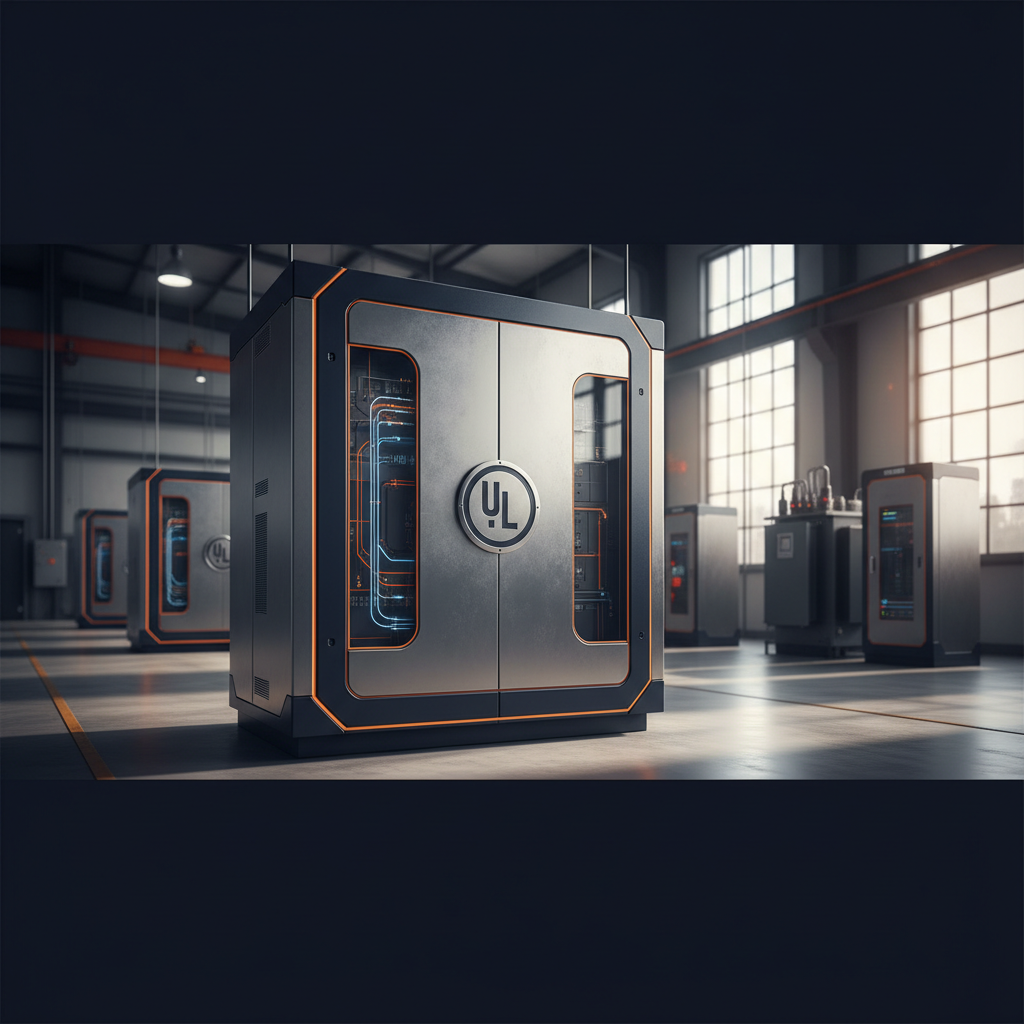
Electrical switchgear is a critical component of any facility's electrical distribution system, controlling, protecting, and isolating electrical equipment. When specifying or purchasing new switchgear, one designation stands out as a hallmark of quality and safety: the UL Listing. Overlooking this certification can expose facilities to significant risks, both operational and financial. Understanding the value of UL 891 listed switchgear is essential for ensuring long-term reliability and cost-effectiveness.
1. Safety and Reduced Risk
Safety is paramount in any electrical system. UL (Underwriters Laboratories) is an independent, third-party certification organization that tests products to applicable safety standards. For switchgear, this typically involves standards such as UL 1558 (Medium Voltage Metal-Enclosed Switchgear) and UL 891 (Dead-front Switchboards). A UL Listing signifies that the switchgear has been evaluated and tested to meet specific safety requirements designed to minimize hazards like electrical shock, fire, and explosions.
Beyond general safety, UL 891 listed switchgear directly impacts personnel safety and compliance with standards like NFPA 70E, "Standard for Electrical Safety in the Workplace." Properly certified equipment, when maintained according to NETA MTS (Maintenance Testing Specifications), contributes to a safer working environment, reducing the likelihood of arc flash incidents and other dangerous electrical faults. This reduced risk translates into fewer injuries, less downtime, and ultimately, lower costs associated with accidents and their aftermath.
2. Code Compliance and Inspection Assurance
The National Electrical Code (NEC, or NFPA 70) is the benchmark for electrical design, installation, and inspection in the United States. The NEC frequently references third-party certification for electrical equipment. For example, NEC Article 110.3(B) states that equipment must be "approved," and typically this approval comes from testing and labeling by organizations like UL.
- NEC 2023 Compliance: Choosing UL 891 listed switchgear ensures compliance with the most current electrical codes, streamlining the inspection process. Many local Authorities Having Jurisdiction (AHJs) require UL or other recognized third-party listings for major electrical components. Non-listed equipment can lead to costly delays, rework, and potential rejection by inspectors, delaying project completion and incurring additional expenses.
- Insurance Underwriting: Insurance providers often look favorably upon facilities that utilize UL-listed equipment. Such equipment demonstrates a commitment to recognized safety standards, which can positively influence insurance premiums and claims processing. Facilities with non-listed equipment might face higher premiums, policy exclusions, or difficulties securing coverage.
3. Guaranteed Performance and Reliability
UL testing isn’t just about safety; it also verifies performance characteristics. When switchgear is UL-listed, it has undergone rigorous testing to confirm its performance under various conditions, including:
- Short-circuit withstand ratings: Ensuring the equipment can safely handle fault currents without catastrophic failure.
- Dielectric voltage withstand: Verifying insulation integrity.
- Temperature rise limits: Confirming components operate within safe thermal boundaries.
This verification provides assurance that the switchgear will operate reliably and consistently over its intended lifespan. Non-listed equipment, lacking such verification, carries an inherent risk of premature failure, unexpected outages, and compromised operational integrity. These failures can lead to significant production losses, equipment damage, and escalated maintenance costs.
4. Predictable Lead Times and Project Schedules
While not directly related to the UL listing itself, the manufacturing processes for UL 891 listed switchgear often involve established quality control systems and supply chain management practices. Manufacturers committed to UL certification typically maintain more predictable production schedules and component sourcing. This leads to more reliable lead times, which are crucial for project planning and execution.
| Factor | UL 891 Listed Switchgear | Non-Listed Switchgear |
|---|---|---|
| Lead Times | Generally more predictable, established processes | Can be variable, reliant on unverified sources |
| Component Sourcing | Typically from recognized, qualified suppliers | May use unverified or less reliable components |
| Quality Control | Rigorous and documented | Varies significantly, potentially inconsistent |
Selecting non-listed equipment, especially from less reputable manufacturers, can introduce uncertainties in lead times due to inconsistent quality assurance, unexpected component shortages, or difficulties in meeting performance requirements without a standardized testing framework.
5. Enhanced Resale Value and Asset Management
Switchgear represents a significant capital investment. Should a facility be sold, upgraded, or reconfigured, the presence of UL-listed equipment can significantly enhance its resale value. Buyers and facility assessors recognize the inherent value and reduced liability associated with certified equipment. It signals that the electrical infrastructure is sound, compliant, and well-maintained.
Proper documentation, including UL labels and certification records, contributes to a more transparent and valuable asset profile. Conversely, non-listed equipment can be a red flag for potential buyers, often necessitating costly inspections, testing, or even replacement before a transaction can be completed.
Bottom Line
Choosing UL 891 listed switchgear is more than just meeting a checkbox; it