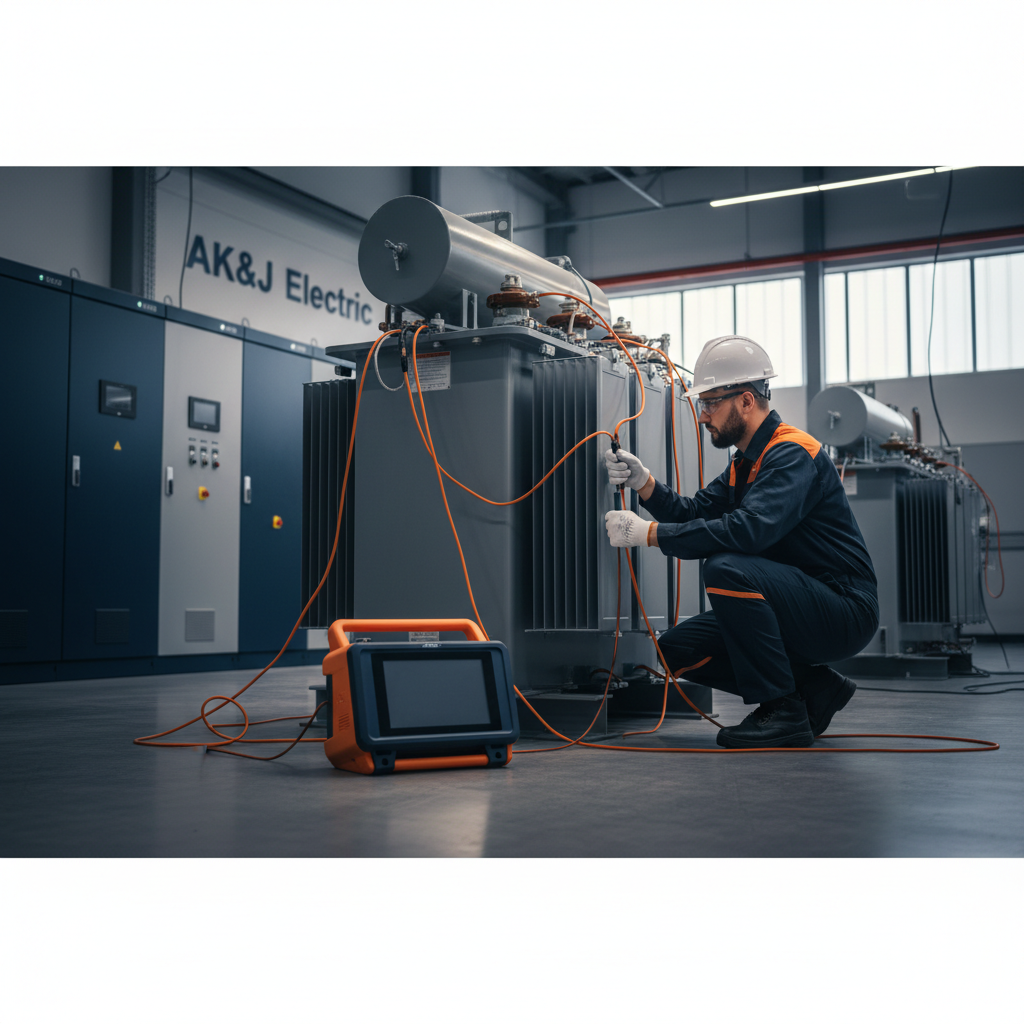
Engineered and installed correctly, modern electrical switchgear serves as the backbone of a facility's power distribution system. Yet, even the most robust equipment requires rigorous testing and maintenance to ensure continued reliability and safety. This is where NETA-certified testing becomes indispensable, providing a standardized approach to evaluating the performance and integrity of your critical electrical assets.
Understanding NETA Standards
The International Electrical Testing Association (NETA) sets the benchmarks for electrical testing in the industry. NETA's standards are recognized for their comprehensive nature and focus on objective, data-driven assessments. Their certification programs ensure that technicians are highly trained and that testing procedures adhere to the strictest guidelines for safety and accuracy.
NETA publishes two primary standards relevant to switchgear testing:
- NETA ATS (Acceptance Testing Specifications): Applied to new equipment prior to energization, ensuring it meets design specifications and is installed correctly.
- NETA MTS (Maintenance Testing Specifications): Used for in-service equipment to detect potential failures, degradation, and confirm continued operational integrity.
While both standards are crucial, their application and objectives differ, as summarized below:
| Feature | NETA Acceptance Testing (ATS) | NETA Maintenance Testing (MTS) |
|---|---|---|
| Purpose | Verify new equipment meets specifications and is installed correctly | Ensure continued reliability, detect degradation, prevent failures |
| Timing | Before initial energization | Periodically throughout equipment lifespan |
| Scope | Comprehensive testing of all components | Targeted testing based on condition and criticality |
| Primary Goal | Confirm proper functionality and installation | Minimize downtime, extend equipment life, enhance safety |
Ignoring either of these testing phases can have serious repercussions, from immediate equipment failure to long-term operational inefficiencies.
The Mandate for Acceptance Testing
Before a new switchgear assembly is brought online, NETA Acceptance Testing (NETA ATS) is paramount. This initial verification process ensures that the equipment, as installed, meets the manufacturer's specifications, design requirements, and relevant codes such as the National Electrical Code (NEC 2023, Article 110.3).
Acceptance testing identifies potential manufacturing defects, shipping damage, or installation errors before they can lead to arc flashes, faults, or premature equipment failure. For example, insulation resistance tests performed during acceptance testing can uncover issues that, if left unaddressed, could compromise the entire system once energized.
The Criticality of Maintenance Testing
Once in service, switchgear is subjected to operational stresses, environmental factors, and age-related degradation. NETA Maintenance Testing (NETA MTS) provides a systematic approach to monitor the health of your electrical assets, as recommended by standards like NFPA 70B, Recommended Practice for Electrical Equipment Maintenance.
Regular maintenance testing helps facility managers:
- Identify developing issues: Detecting incipient faults, loose connections, or deteriorating insulation before they escalate into catastrophic failures.
- Prevent unplanned downtime: Proactive maintenance significantly reduces the likelihood of unexpected outages, which can severely impact production and revenue.
- Extend equipment lifespan: Addressing minor issues promptly can prevent accelerated wear and tear, maximizing the return on your capital investment.
- Enhance safety: Ensuring protective devices are calibrated and operating correctly is crucial for personnel safety, aligning with the principles of NFPA 70E, Standard for Electrical Safety in the Workplace.
Without consistent maintenance testing, facilities risk operating with a false sense of security, vulnerable to costly failures and safety hazards.
The Role of NETA-Certified Technicians
The integrity of switchgear testing hinges on the expertise of the personnel performing it. NETA-certified technicians possess a profound understanding of electrical theory, test equipment operation, and detailed testing procedures. Their certification signifies a commitment to industry best practices and provides assurance that tests are conducted accurately and safely, yielding reliable data.
These certified professionals are adept at interpreting test results, diagnosing complex issues, and recommending appropriate corrective actions. This level of expertise distinguishes NETA-certified testing from less rigorous approaches, offering facility managers confidence in the assessment of their electrical infrastructure.
Bottom Line
For any facility manager, plant engineer, or electrical contractor, NETA-certified switchgear testing is not merely a compliance task but a fundamental pillar of operational reliability, safety, and cost control. Both acceptance and maintenance testing, performed by qualified NETA technicians, are essential steps in safeguarding your electrical assets and ensuring uninterrupted operation. Investing in these services minimizes risks, prevents costly downtime, and protects personnel. AK&J Electric offers comprehensive, NETA-certified testing and commissioning services designed to keep your facility running safely and efficiently.