The integrity of your facility's electrical switchgear is paramount to operational continuity. Unforeseen failures can lead to costly downtime, production losses, and even safety hazards. This is where NETA (InterNational Electrical Testing Association) certified testing plays a crucial role, providing a rigorous framework to ensure the reliability and safety of your electrical infrastructure.
Understanding NETA Certification
NETA is an ANSI-accredited organization that sets the standards for electrical power equipment testing. Their certification process ensures that testing technicians are highly skilled and knowledgeable, and that testing procedures adhere to the most current industry best practices. When you engage a NETA-certified company, you’re not just getting a test; you’re investing in a commitment to quality, accuracy, and adherence to recognized standards like NFPA 70E and IEEE guidelines.
Acceptance Testing: Ensuring Quality from Day One
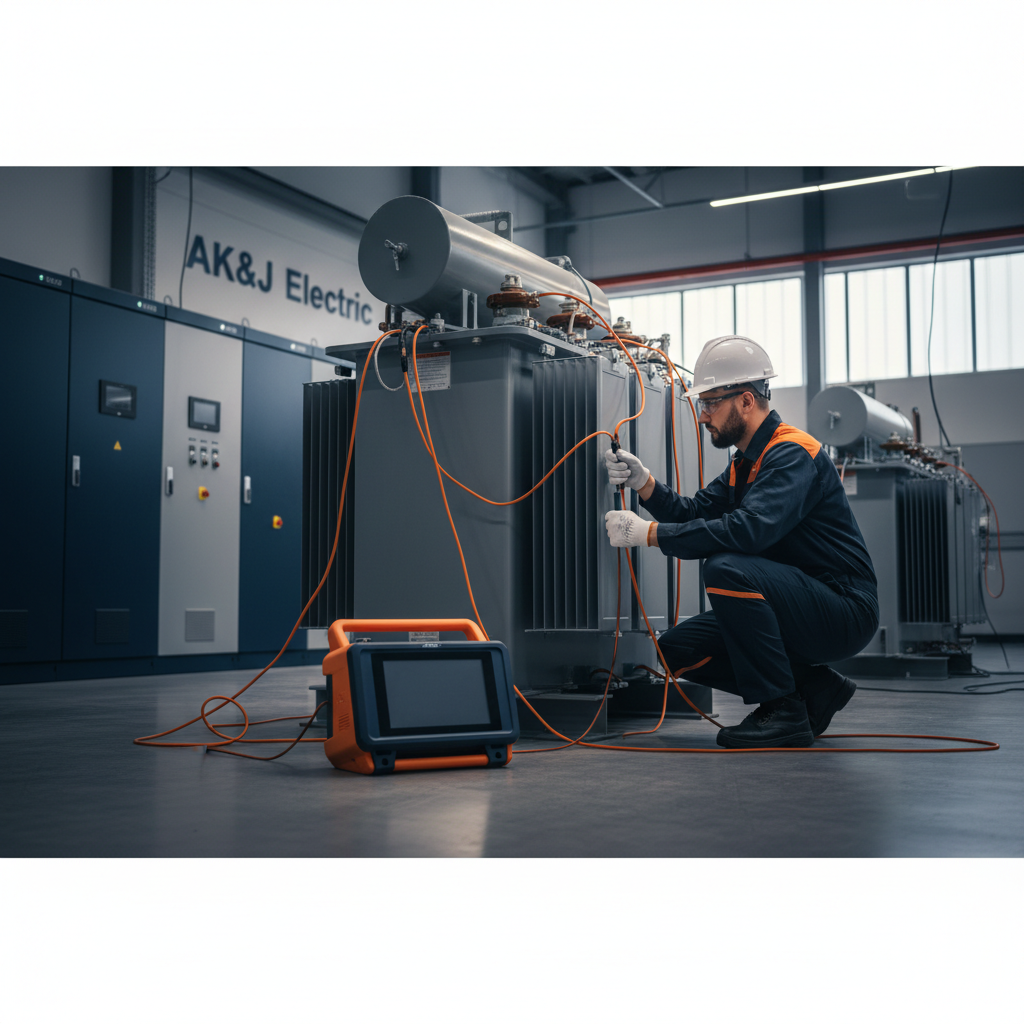
Acceptance testing, as defined by NETA ATS (Acceptance Testing Specifications), is performed on new electrical equipment before it is energized and integrated into a facility's system. The primary goal is to verify that the equipment meets manufacturer specifications, design intent, and applicable industry standards. This crucial step identifies potential issues that may have occurred during manufacturing, shipping, or installation, preventing them from leading to costly failures down the line.
Key aspects of NETA acceptance testing include:
- Visual and Mechanical Inspections: Thorough examination for physical damage, proper assembly, and correct component installation.
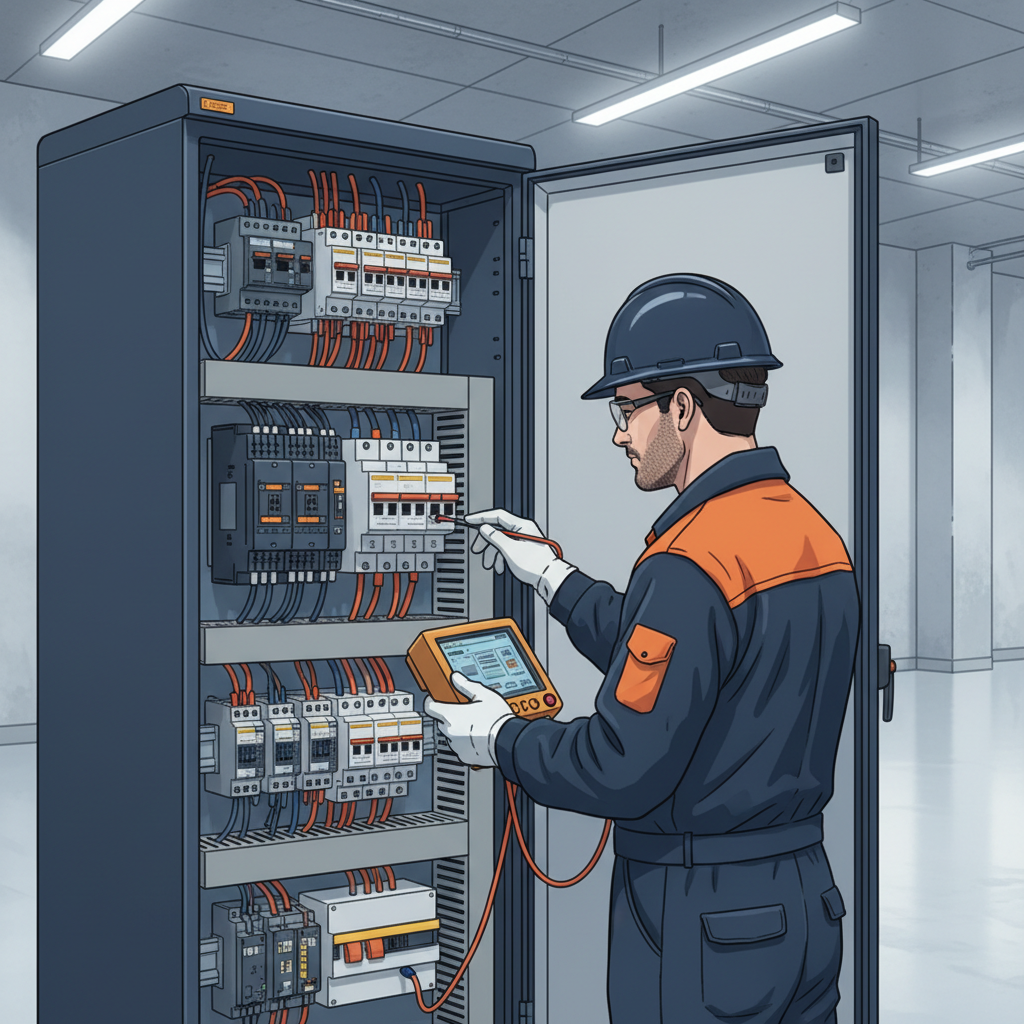
- Electrical Tests: Performance of various tests, such as insulation resistance, dielectric withstand (hipot), contact resistance, and functional checks of protective devices. The specific tests performed will depend on the type of switchgear and its components.
- Documentation: Comprehensive reporting of all test results, including any discrepancies and corrective actions taken. This documentation serves as a baseline for future maintenance activities.
Failure to perform thorough acceptance testing can have significant repercussions. A new piece of switchgear, seemingly operational, could harbor hidden defects that could lead to an arc flash incident, premature failure, or unexpected outages. Adhering to NETA ATS helps mitigate these risks, ensuring your investment is sound from the outset.
Maintenance Testing: Sustaining Performance Over Time
Unlike acceptance testing, maintenance testing, guided by NETA MTS (Maintenance Testing Specifications), is performed periodically throughout the lifespan of the electrical equipment. The objective is to identify deterioration, aging, and potential failure points before they lead to an unexpected outage or safety incident. Regular maintenance testing is a proactive approach to preserve the reliability and extend the service life of your switchgear.
Key aspects of NETA maintenance testing include:
- Predictive Maintenance: Utilizing techniques like infrared thermography to detect hot spots, and vibration analysis to identify mechanical issues.
- Preventive Maintenance: Routine cleaning, lubrication, and adjustment of components to ensure optimal operation.
- Diagnostic Testing: Performing electrical tests similar to acceptance testing, but with an emphasis on comparing current results to baseline data (from acceptance tests) to identify trends and degradation.
| Test Type | Purpose | Frequency |
|---|---|---|
| Insulation Resistance | Assess insulation integrity | Annually/Bi-annually |
| Contact Resistance | Verify proper connection in circuit breakers | Every 3-5 years or as needed |
| Protective Device Fun. | Ensure relays/circuit breakers trip at correct settings | Every 3-5 years |
The frequency of maintenance testing is often dictated by factors such as equipment criticality, operational environment, manufacturer recommendations, and industry standards. For instance, facilities subject to harsh environmental conditions or critical operational demands may require more frequent testing. The NEC 2023 (National Electrical Code) and NFPA 70E (Standard for Electrical Safety in the Workplace) emphasize the importance of regular maintenance to ensure the ongoing safety and functionality of electrical systems.
The Interplay Between Acceptance and Maintenance Testing
Acceptance testing establishes a robust baseline for your switchgear's performance. Without this initial benchmark, maintenance testing becomes less effective, as there's no clear reference point to measure degradation against. Together, acceptance and maintenance testing form a comprehensive strategy for managing the health of your electrical infrastructure, minimizing the risk of unexpected failures, ensuring personnel safety, and extending the lifespan of your valuable assets.
Safety and Code Compliance
Beyond operational uptime, NETA-certified testing plays a critical role in ensuring compliance with safety standards. NFPA 70E mandates that electrical equipment be properly maintained to minimize electrical hazards, including arc flash and electrocution. NETA testing provides the empirical data necessary to demonstrate compliance and identify areas needing attention to meet these crucial safety requirements.
The Bottom Line
Investing in NETA-certified acceptance and maintenance testing for your facility's switchgear is not merely a cost; it's a strategic investment in reliability, safety, and long-term operational efficiency. Proactive testing reduces the likelihood of catastrophic failures, extends equipment lifespan, and ensures compliance with critical safety standards. Partnering with experienced, NETA-certified professionals like AK&J Electric for your testing and commissioning needs offers peace of mind and tangible benefits for your facility's sustained success.