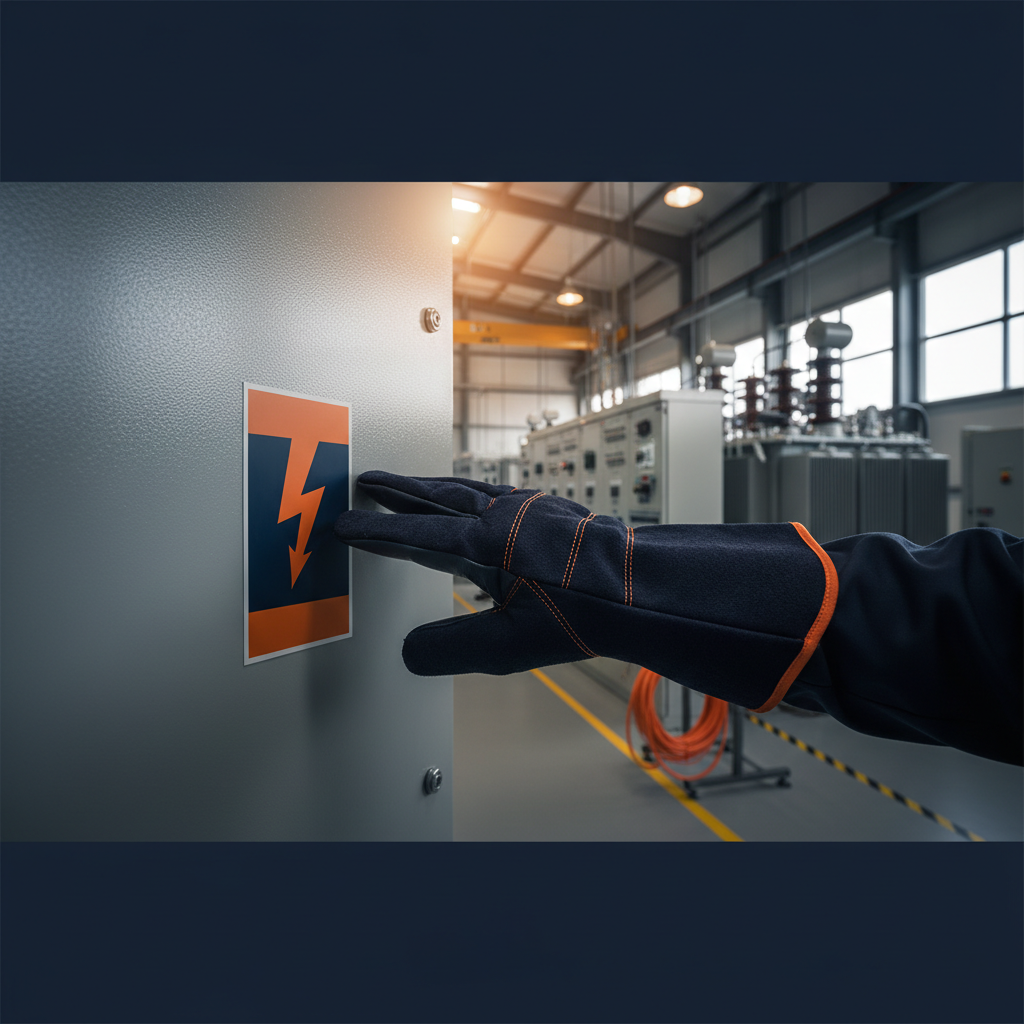
Arc flash incidents are a serious risk in industrial and commercial electrical systems, capable of causing severe injury, extensive equipment damage, and significant operational downtime. For plant managers, comprehending the fundamental principles of arc flash safety, as outlined in standards like NFPA 70E, is not merely a compliance issue but a cornerstone of a robust safety program.
What is an Arc Flash?
An arc flash is a sudden and dangerous release of energy resulting from an electrical fault, typically an arcing fault. This event can generate extreme temperatures (up to 35,000°F), intense light, a pressure wave (arc blast), and molten metal projectiles. The potential for catastrophic harm to personnel working on or near energized conductors is immense.
Understanding Incident Energy
Incident energy is a key concept in arc flash safety. It''s the amount of thermal energy impressed on a surface at a specific distance from an arc fault. Measured in calories per square centimeter (cal/cm²), incident energy directly correlates with the severity of a potential burn. Higher incident energy levels demand greater protection.
NFPA 70E, "Standard for Electrical Safety in the Workplace®," mandates that arc flash assessments be performed to determine incident energy levels at various points in an electrical system. This assessment involves complex calculations, often performed by qualified engineers, taking into account factors like fault current, clearing time of protective devices, and working distance. The results of these calculations inform the selection of appropriate Personal Protective Equipment (PPE) and the development of safe work procedures.
PPE Categories and Selection
Once incident energy is determined, NFPA 70E directs the selection of appropriate arc-rated PPE. The standard categorizes PPE based on its Arc Thermal Performance Value (ATPV) or Energy Breakopen Threshold (EBT), which indicates the maximum incident energy a material can withstand before a second-degree burn is likely. These categories are often referred to as HRC (Hazard Risk Category) or more recently, PPE Category.
Here’s a simplified overview of PPE categories as typically referenced:
| PPE Category | Minimum Arc Rating (cal/cm²) |
|---|---|
| 1 | 4 |
| 2 | 8 |
| 3 | 25 |
| 4 | 40 |
Note: Specific requirements and incident energy thresholds may vary based on the latest edition of NFPA 70E and site-specific assessments.
Selection of PPE must always be based on the calculated incident energy for the specific task and equipment involved. It is critical to use arc-rated clothing, face shields, gloves, and other protective gear that collectively meet or exceed the required arc rating. Under no circumstances should non-arc-rated clothing be worn where an arc flash hazard exists.
The Criticality of Arc Flash Labeling
Arc flash labeling is not just a recommendation; it is a mandatory requirement under NFPA 70E. Each piece of electrical equipment that is likely to be worked on while energized and presents an arc flash hazard must have a permanently affixed label containing essential information. The National Electrical Code (NEC) also reinforces the need for proper identification of electrical equipment. For example, NEC 2023 Article 110.16 specifies arc-flash hazard warning labels.
These labels provide critical information to qualified electrical workers before they begin any work. Key information typically found on an arc flash label includes:
- Nominal System Voltage: The operating voltage of the equipment.
- Flash Protection Boundary: The distance from an arc source within which workers could receive a second-degree burn.
- Incident Energy at the Working Distance: The calculated energy level at the typical distance a worker would perform tasks.
- PPE Category: The required PPE category for working on the equipment.
- Arc-Flash PPE Required: A list or indication of the specific PPE elements (e.g., arc-rated clothing minimum rating, arc-rated face shield, gloves).
- Date of Arc Flash Hazard Analysis: Ensures the information is current, as analyses should be reevaluated periodically (e.g., every five years or when major electrical system modifications occur).
Accurate and up-to-date labeling is paramount. Without it, workers cannot properly assess the hazards or select the correct PPE, significantly increasing their risk of injury.
Regular Maintenance and Reassessment
The electrical infrastructure within a plant is dynamic. Modifications, expansions, and even normal wear and tear can alter fault currents and protective device coordination, thereby changing incident energy levels. Standards such as the NETA "Maintenance Testing Specifications for Electrical Power Distribution Equipment and Systems" (NETA MTS) emphasize the importance of regular maintenance and testing of electrical equipment.
It is imperative that arc flash hazard analyses are reviewed and updated periodically, or whenever significant changes are made to the electrical system. This ensures that labels remain accurate and that workers are always protected based on the most current hazard information.
Bottom Line
Arc flash safety is an ongoing and critical responsibility for plant managers. A comprehensive approach that includes thorough arc flash hazard analyses to determine incident energy, strict adherence to PPE categories, and diligent application of accurate arc flash labeling is non-negotiable. Proactive management of these elements not only ensures compliance with NFPA 70E and other relevant standards but, more importantly, safeguards the lives and well-being of personnel. AK&J Electric offers comprehensive arc flash study services, helping facilities understand and mitigate these hazards to create a safer working environment.