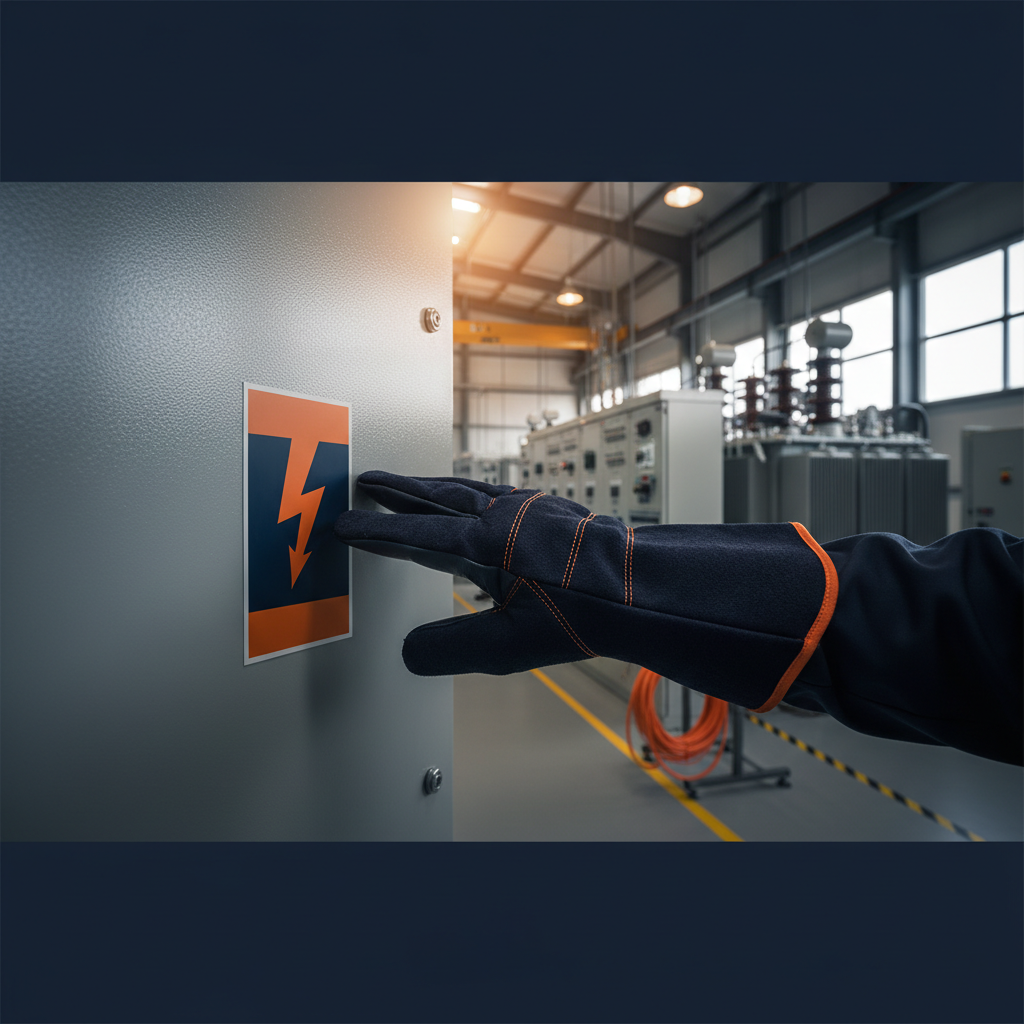
Understanding arc flash hazards is paramount for maintaining a safe electrical workplace and protecting both personnel and valuable assets. These sudden, high-energy events can cause catastrophic injuries, significant equipment damage, and costly downtime. As a plant manager, grasping the core principles of arc flash safety, particularly as outlined in NFPA 70E, is not just good practice—it's a critical responsibility.
What is an Arc Flash? A Brief Overview
An arc flash is an electrical explosion that results from a low-impedance connection through air to ground or another voltage phase in an electrical system. This can be caused by various factors, including insulation failure, dust, corrosion, human error, or dropped tools. The extreme heat, intense light, pressure waves, and molten metal expelled during an arc flash can be devastating, causing severe burns, blindness, hearing damage, and even fatalities. According to NFPA 70E, Standard for Electrical Safety in the Workplace, an arc flash is a major hazard that requires specific mitigation and protection strategies.
Incident Energy: The Core of Arc Flash Risk Assessment
At the heart of arc flash safety is the concept of incident energy. This is the amount of thermal energy impressed on a surface, a certain distance from the arc source, during an electrical arc event. It is typically expressed in calories per square centimeter (cal/cm²) and is crucial for determining the appropriate arc-rated personal protective equipment (PPE).
An arc flash risk assessment, as mandated by NFPA 70E, involves calculating the potential incident energy at various points in an electrical system. This assessment considers factors such as fault current, system voltage, and the clearing time of upstream protective devices. The results directly inform the PPE required for personnel working on or near energized equipment. Regular assessments are vital, as modifications to the electrical system or changes in protective device settings can significantly alter incident energy values.
Personal Protective Equipment (PPE) Categories
NFPA 70E outlines specific PPE requirements based on the incident energy levels determined by an arc flash risk assessment. The standard defines arc flash PPE categories (formerly HRCs) that correspond to a range of incident energy values. This categorization simplifies the selection of appropriate arc-rated clothing and other protective gear.
Here's a simplified overview of typical PPE categories and their corresponding minimum arc ratings:
| Arc Flash PPE Category | Minimum Arc Rating (cal/cm²) |
|---|---|
| 1 | 4 |
| 2 | 8 |
| 3 | 25 |
| 4 | 40 |
Note: This table is for illustrative purposes. Always refer to a comprehensive arc flash risk assessment and the latest NFPA 70E standard for specific requirements.
Beyond arc-rated clothing, PPE for arc flash protection also includes arc-rated face shields, head protection (hard hats), eye protection (safety glasses), hearing protection, leather gloves, and arc-rated footwear. It is critical that all PPE is properly maintained, inspected before each use, and replaced if damaged or compromised.
The Importance of Proper Labeling
One of the most visible and critical outcomes of an arc flash risk assessment is the installation of clear, informative arc flash labels on electrical equipment. NFPA 70E (Article 130.5(H)) and NEC 2023 (Article 110.21(B)) both require these labels on virtually all electrical equipment likely to require examination, adjustment, servicing, or maintenance while energized.
These labels serve as an immediate warning and provide essential information for qualified personnel before beginning work. A compliant arc flash label must include:
- Nominal System Voltage: Essential for identifying the equipment's operating voltage.
- Arc Flash Boundary: The distance from the arc source within which personnel could receive a second-degree burn (1.2 cal/cm²) if unprotected.
- Available Incident Energy or Arc Flash PPE Category: Either the calculated incident energy at the working distance (e.g., 8 cal/cm²) or the assigned PPE category (e.g., Category 2).
- Minimum Arc Rating of Clothing: The required arc rating for arc-rated apparel.
Additional information, such as the date of the assessment, equipment identification, and relevant work task restrictions, is often included. It is crucial that these labels are durable, clearly legible, and updated whenever changes in the electrical system or risk assessment warrant. Outdated or missing labels can lead to incorrect PPE selection and severe consequences.
Maintaining Compliance and Safety
Compliance with NFPA 70E is not a one-time event. Electrical safety programs must be living documents, regularly reviewed and updated. This includes periodic arc flash risk assessments (recommended every five years or when major modifications occur), routine equipment maintenance (as outlined by standards like NETA MTS, Standard for Maintenance Testing Specifications for Electrical Power Equipment and Systems), and ongoing training for all personnel who work on or near energized electrical equipment.
Regular training ensures that qualified workers understand the hazards, know how to use PPE correctly, and follow safe work practices, including lockout/tagout procedures. Non-qualified persons must also be trained to recognize electrical hazards and avoid unsafe conditions.
Bottom Line
Effective arc flash safety is a multifaceted endeavor that demands continuous attention from plant managers. By understanding incident energy calculations, ensuring proper PPE selection, and enforcing correct labeling practices in accordance with NFPA 70E and other relevant standards, you can significantly reduce the risk of arc flash incidents and protect your workforce. Proactive measures not only prevent injuries but also safeguard your operational continuity and financial well-being. AK&J Electric specializes in comprehensive arc flash risk assessments, labeling, and electrical safety program development, helping facilities meet compliance and elevate their safety standards.