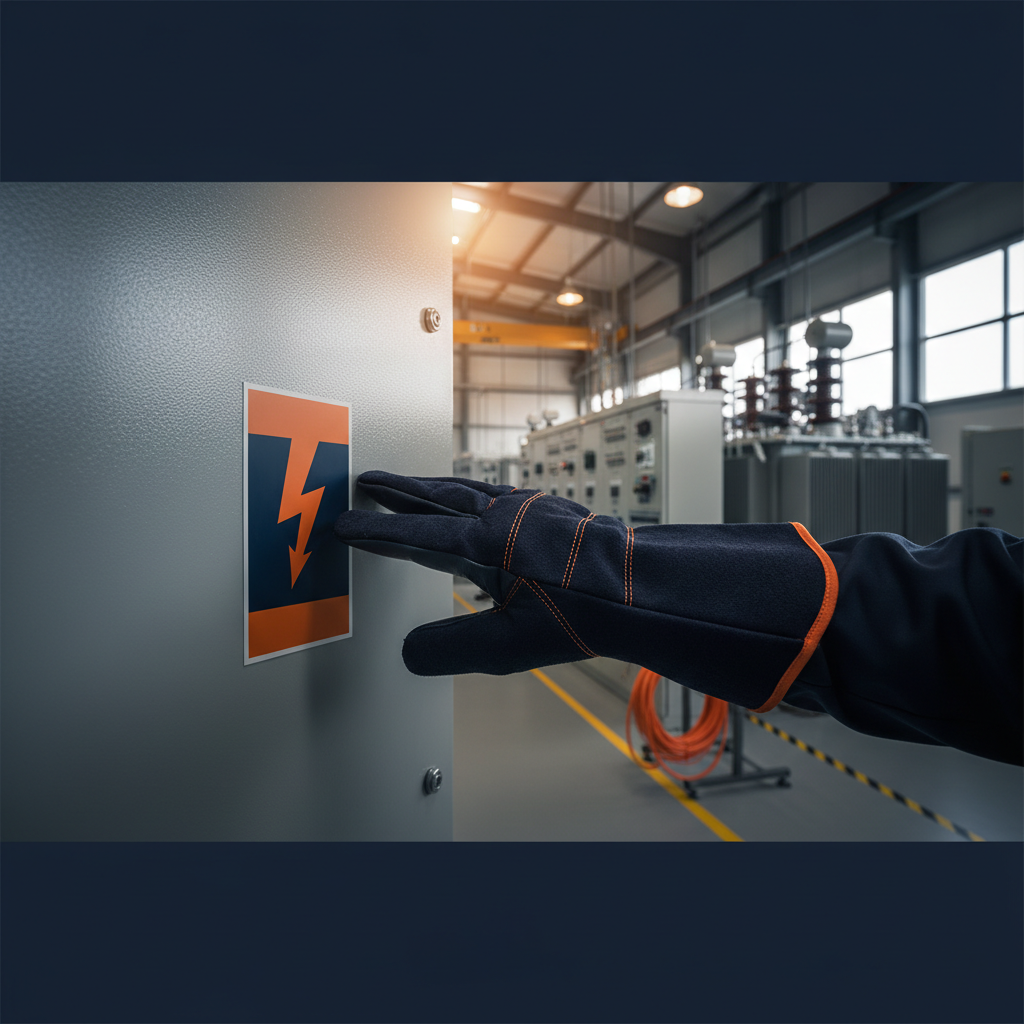
When managing industrial facilities, electrical safety is paramount. Arc flash incidents pose significant risks, leading to severe injuries, equipment damage, and costly downtime. Navigating the complexities of electrical safety standards, particularly NFPA 70E, is essential for facility managers to protect personnel and maintain operational integrity.
Understanding Arc Flash Hazards
An arc flash is a sudden release of electrical energy through the air when insulation between energized conductors fails or an energized conductor faults to ground. This can result in an explosion with extreme heat (up to 35,000°F), intense light, pressure waves, and the ejection of molten metal. The consequences for personnel exposed to an arc flash can include severe burns, blindness, hearing damage, and even death.
Incident Energy and Arc Flash Boundaries
Incident energy is a critical concept in arc flash safety. It's the amount of thermal energy impressed on a surface at a specific distance from an arc fault. Measured in calories per square centimeter (cal/cm²), incident energy directly relates to the severity of a potential burn. NFPA 70E, Standard for Electrical Safety in the Workplace, mandates that an arc flash risk assessment be performed to determine the incident energy and the arc flash boundary. This boundary is the distance from a potential arc source where a person would receive a second-degree burn if unprotected.
Performing an arc flash study, often conducted by qualified electrical engineers, involves complex calculations that consider system voltage, available fault current, protective device clearing times, and equipment configurations. These studies provide the data necessary to define safe working distances and select appropriate personal protective equipment (PPE).
Personal Protective Equipment (PPE) Categories
NFPA 70E outlines a hierarchy of controls to mitigate electrical hazards, with PPE being the last line of defense. Based on the calculated incident energy, specific PPE categories are assigned to ensure workers have adequate protection. These categories are defined in NFPA 70E and dictate the minimum arc rating for clothing and other protective gear.
| Arc Flash PPE Category | Minimum Arc Rating (cal/cm²) |
|---|---|
| 1 | 4 |
| 2 | 8 |
| 3 | 25 |
| 4 | 40 |
It's important to note that higher arc ratings do not always equate to better protection if not matched to the specific hazard. Over-specifying PPE can lead to reduced dexterity, heat stress, and increased cost without a corresponding safety benefit. Conversely, under-specifying PPE leaves workers vulnerable. Facility managers must ensure that the PPE provided to their electrical workers precisely matches the requirements determined by the arc flash risk assessment.
Arc Flash Labeling Requirements
Clear and accurate labeling is fundamental to preventing arc flash incidents. NFPA 70E requires that electrical equipment likely to require examination, adjustment, servicing, or maintenance while energized be marked with a label containing specific information. The National Electrical Code (NEC) also has complementary requirements; for example, NEC 2023 Article 110.16 specifies arc-flash hazard warning labels for service equipment and other specific equipment.
An arc flash label must contain at least one of the following:
- Available incident energy and the corresponding working distance, or the arc flash PPE category.
- Minimum arc rating of clothing.
- Site-specific level of PPE.
Additionally, the label should identify the nominal system voltage, the arc flash boundary, and the date the label was created. These labels serve as critical communication tools, providing essential safety information to qualified persons before they begin work on electrical equipment. Ensuring labels are up-to-date and legible is a continuous responsibility, especially after system modifications or re-assessments.
Training and Program Implementation
Compliance with NFPA 70E extends beyond studies, PPE, and labels. It necessitates a comprehensive electrical safety program, including regular training for all personnel who might work on or near energized electrical equipment. This training covers identifying electrical hazards, understanding safe work practices, proper use and care of PPE, and emergency procedures. The National Electrical Testing Association (NETA) also publishes standards, such as NETA MTS, that emphasize the importance of qualified personnel and safe testing practices, which align with NFPA 70E principles.
Regular audits and program reviews are crucial to ensure ongoing compliance and effectiveness. A proactive approach to electrical safety minimizes risks and fosters a culture of safety within the facility.
Bottom Line
Arc flash safety is not merely a regulatory burden; it's a critical aspect of responsible facility management that directly impacts employee well-being and operational continuity. Adhering to NFPA 70E requirements for incident energy assessment, appropriate PPE selection, and meticulous labeling, combined with robust training programs, forms the cornerstone of an effective electrical safety strategy. AK&J Electric provides comprehensive arc flash studies, electrical safety program development, and field services to help your facility achieve and maintain compliance, protecting your most valuable assets: your people and your plant.