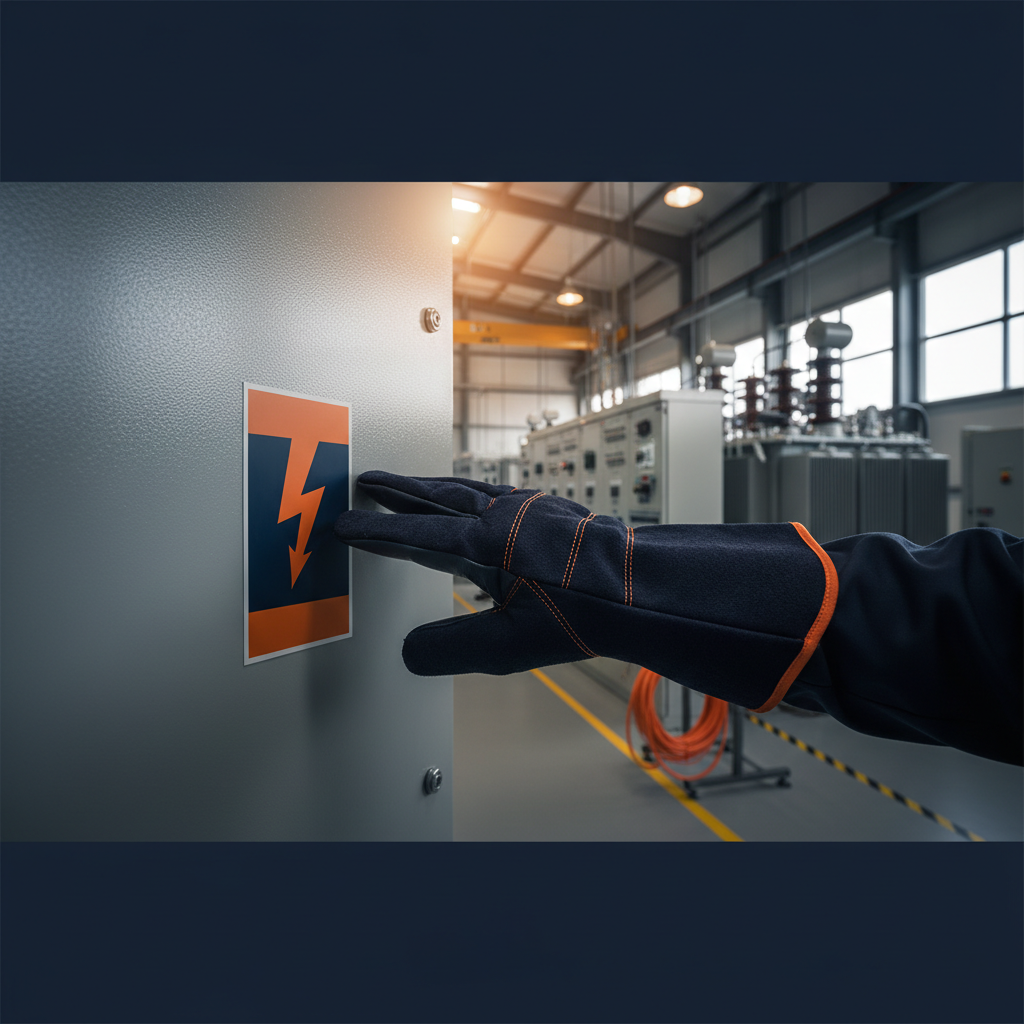
An arc flash study is a critical component of an electrical safety program, providing vital information to protect personnel from the severe hazards of an arc flash event. However, the comprehensive reports generated can be daunting, often filled with technical data, calculations, and tables. This guide demystifies the arc flash study report, offering a practical approach to understanding its essential elements and applying them effectively.
What is an Arc Flash Study (and Why Do You Need One)?
An arc flash study evaluates a facility's electrical system to determine the potential arc flash incident energy and arc flash boundaries. This analysis is mandated by industry standards like NFPA 70E, "Standard for Electrical Safety in the Workplace," to ensure a safe working environment for personnel who interact with energized electrical equipment. The study identifies risks, specifies appropriate personal protective equipment (PPE), and informs safety procedures.
Key reasons for conducting an arc flash study include:
- Personnel Safety: Protecting employees from severe burns and other injuries.
- Regulatory Compliance: Meeting OSHA and NFPA 70E requirements.
- Risk Mitigation: Identifying and reducing potential hazards.
- System Knowledge: Gaining a detailed understanding of electrical system behavior under fault conditions.
Deciphering the Arc Flash Label
The most visible output of an arc flash study is the arc flash label affixed to electrical equipment. These labels, required by NFPA 70E, provide critical information at the point of work. While designs vary, common elements include:
- System Voltage: The nominal voltage of the equipment.
- Arc Flash Boundary: The distance from the arc source at which a person could receive a second-degree burn (1.2 cal/cm²).
- Limited Approach Boundary: The distance from exposed energized electrical conductors or circuit parts within which a shock hazard exists (NFPA 70E, Table 130.4(E)(a)).
- Restricted Approach Boundary: The distance from exposed energized electrical conductors or circuit parts within which there is an increased risk of shock (NFPA 70E, Table 130.4(E)(a)).
- Incident Energy: The amount of thermal energy impressed on a surface, a certain distance from the arc source, during an arc flash event. Typically expressed in calories per square centimeter (cal/cm²).
- Working Distance: The assumed distance from the likely arc point to the worker's face and body.
- Required PPE Category/Level: Based on the incident energy, this specifies the minimum arc-rated clothing and other PPE (e.g., arc-rated gloves, face shields, hard hats) necessary to protect against the calculated energy level. NFPA 70E, Article 130.5(G) and Table 130.7(C)(15)(A)(b) outline PPE selection based on incident energy.
Understanding these figures is paramount. For example, if a label indicates an Incident Energy of 8 cal/cm² and an Arc Flash Boundary of 48 inches, then anyone working within 48 inches of that equipment must wear PPE rated for at least 8 cal/cm².
Navigating the Report Document Itself
Beyond the labels, the full arc flash study report contains the detailed analysis. Key sections to focus on include:
Executive Summary
This section provides an overview of the study scope, methodology, key findings, and recommendations. It's a good starting point for facility managers to grasp the overall conclusions without delving into every calculation.
Methodology and Assumptions
This section details how the study was conducted, including the software used, data collection methods, and any underlying assumptions (e.g., fault clearing times, system configurations). NETA MTS, "Standard for Maintenance Testing Specifications for Electrical Power Equipment and Systems," provides guidelines for accurate system data collection, which is crucial for study accuracy.
One-Line Diagrams
Updated one-line diagrams are often included, illustrating the electrical system configuration, component ratings, and sometimes the calculated incident energy values at various points. These diagrams are invaluable for visualizing the system and identifying areas of concern.
Incident Energy and Arc Flash Boundary Results
This is the core of the report. It typically includes tables detailing specific equipment, their calculated incident energy levels, arc flash boundaries, and recommended PPE. Focus on the equipment relevant to your maintenance and operational procedures.
| Equipment Type | Incident Energy (cal/cm²) | Arc Flash Boundary (inches) | Recommended PPE Category |
|---|---|---|---|
| Main Switchgear | 15.0 | 72 | Cat 4 |
| Panelboard A | 5.2 | 36 | Cat 2 |
| Motor Control Ctr. | 8.0 | 48 | Cat 3 |
Recommendations
Arc flash studies frequently include recommendations for mitigating hazards. These might involve:
- System Upgrades: Such as installing current-limiting devices or arc flash relays.
- Protective Device Coordination: Adjusting relay settings to reduce fault clearing times and thus incident energy (as described in IEEE 1584, "Guide for Performing Arc-Flash Hazard Calculations").
- Procedural Changes: Implementing safer work practices.
- Labeling Updates: Ensuring all equipment has current and accurate arc flash labels.
Short-Circuit and Protective Device Coordination Studies
Often, an arc flash study is conducted concurrently with or as part of a short-circuit study and protective device coordination study. The short-circuit analysis calculates the maximum available fault currents, which directly impact incident energy calculations. The coordination study ensures that protective devices (fuses, circuit breakers) operate selectively, minimizing downtime and energy levels during faults. NEC 2023, Article 110.16, emphasizes the consideration of arc-flash hazards.
Applying the Information
The most important step is to translate the report's findings into actionable safety measures. This involves:
- Training: Ensuring all personnel understand arc flash hazards, labels, and proper PPE selection and use.
- Procedure Development: Integrating arc flash hazard information into lockout/tagout procedures, energized work permits, and job hazard analyses.
- PPE Procurement: Stocking the necessary arc-rated PPE for all relevant tasks.
- Regular Review: Arc flash studies are not static. NFPA 70E, Section 130.5(G), requires them to be reviewed and updated periodically, at least every five years, or whenever major modifications are made to the electrical system.
Bottom Line
While an arc flash study report is a comprehensive technical document, focusing on the arc flash labels and key sections of the report—like the executive summary, incident energy results, and recommendations—will provide the necessary information to protect your personnel and ensure compliance. Understanding these elements empowers facility managers and plant engineers to make informed decisions regarding electrical safety. If your facility requires an arc flash study or an update to an existing one, AK&J Electric provides comprehensive electrical safety services to help you navigate these complex requirements.