Why testing isn't optional
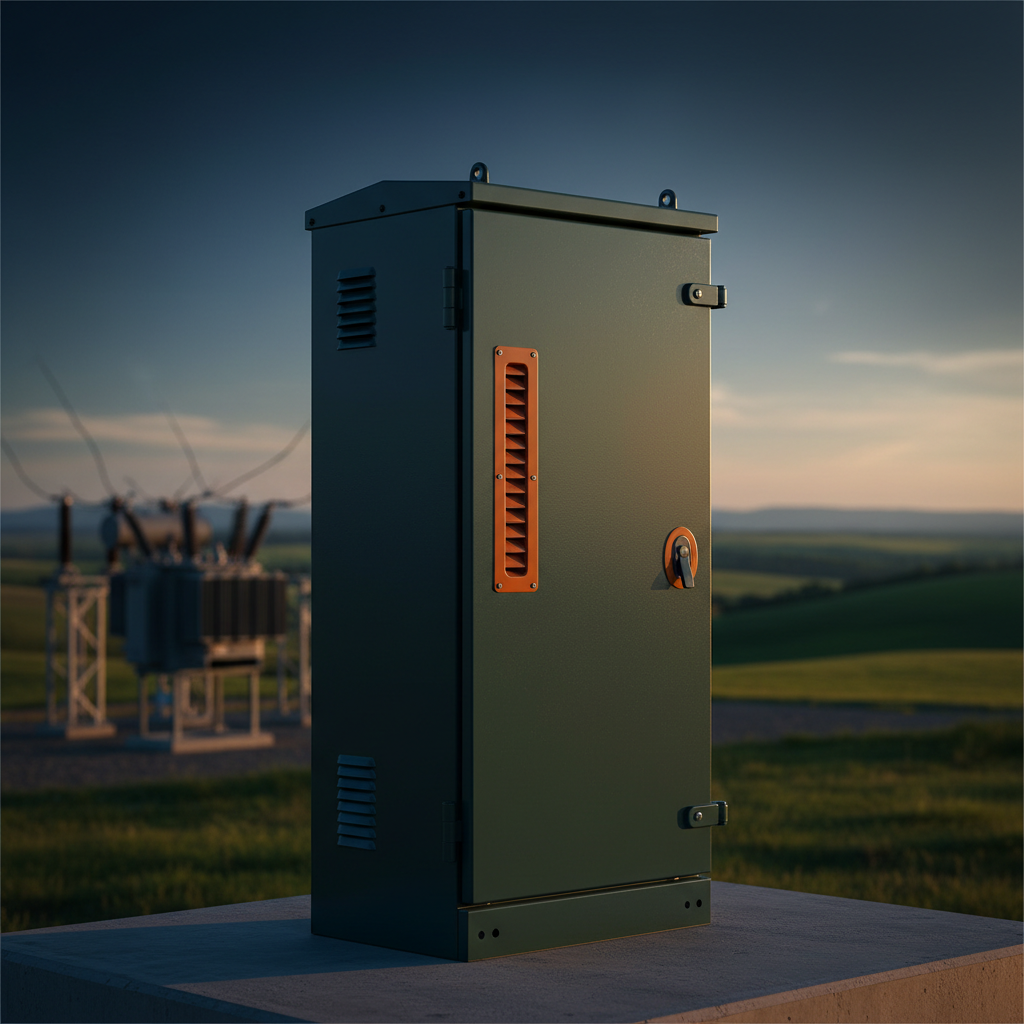
Factory testing verifies a lineup against its listing or project specification — but that's only half the story. Once switchgear lands on site, NETA acceptance testing per ANSI/NETA ATS helps confirm the equipment survived shipping, installation, and field wiring without compromising performance.
Skipping field acceptance testing is the single most common reason for first-year failures we see in commissioning.
What NETA acceptance testing actually covers
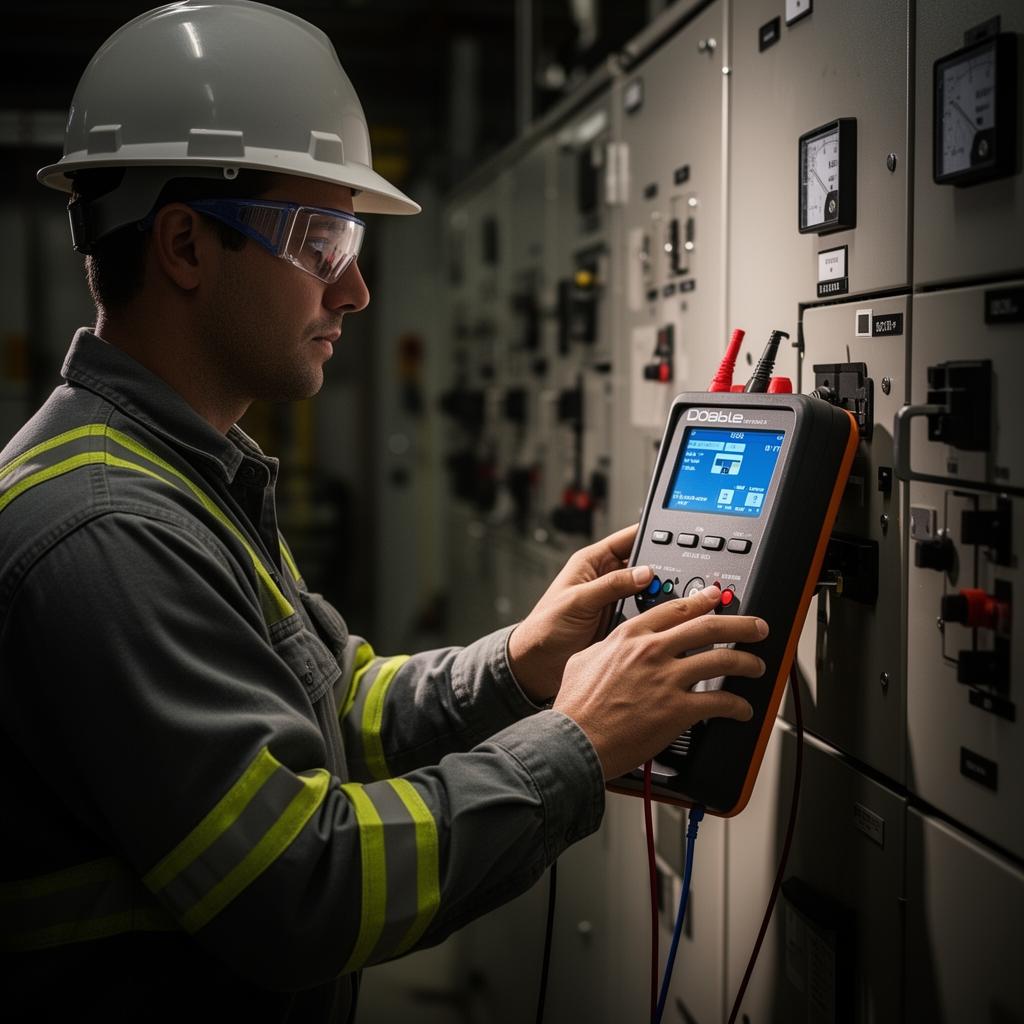
A standard ATS scope for LV/MV switchgear includes:
- Insulation resistance (megger) on all phases to ground and phase-to-phase
- Hi-pot / DC overpotential for MV bus
- Contact resistance (ductor) across every breaker stab and bus joint
- Protective relay functional test — pickup, timing, and trip path verification
- CT/PT ratio and polarity verification
- Mechanical operation — racking, interlocks, key interlocks, charging motor
Each of these maps to a specific failure mode that you'd otherwise discover the hard way.
How NFPA 70E ties in
NFPA 70E doesn't dictate how you test, but it does require an electrical safety program that includes "maintenance of equipment" — and the AHJ will look for documented testing records. NETA reports satisfy that requirement cleanly.
The bottom line
Field testing isn't a tax — it's the cheapest insurance you can buy on a multi-million-dollar electrical install. Budget for it on every project, factor it into the schedule, and use a NETA-certified third party.